












Cadence vs Torque Sensor: What’s the Difference and Which E-Bike Fits You Best?

When shopping for an electric bike, one term you’ll often come across is “pedal assist.” But did you know that there are two main types of pedal assist sensors that can dramatically change the way your ride feels?
In this guide, we’ll break down the Cadence Sensor vs. Torque Sensor debate—explaining what they are, how they feel on the road, and which one suits your lifestyle best. We’ll also show how these technologies come to life in KINGBULL’s current e-bike lineup, including our latest models for commuting and off-road adventures.
What Is a Cadence Sensor (a.k.a. Speed Sensor)?
A cadence sensor is the most common type of pedal assist technology. It detects when you're pedaling and sends a signal to the motor to start assisting. It doesn’t care how hard you’re pedaling—only that the pedals are in motion.
🔧 How It Works:
-
RPM Measurement: It measures your pedal rotation speed.
-
Engagement: When you start pedaling, the motor kicks in after a brief rotation delay.
-
Consistent Power: The level of motor assistance is determined by the PAS (Pedal Assist System) level you select on your display, not by your physical effort.
🚲 The Riding Experience:
-
Predictable and consistent: Once the motor engages, it provides a steady boost.
-
Low-Effort Cruising: Ideal for riders who want the motor to do most of the heavy lifting.
-
The "Scooter" Feel: It feels more like a traditional bike with an automatic "push."
✅ Best For:
-
Casual riders looking for leisure.
-
Seniors who need consistent support without straining.
-
Commuters who want an easy, sweat-free ride to the office.
📍 KINGBULL Models with Cadence Sensors:
-
Literider 2.0: Lightweight, foldable, and super easy to ride—perfect for city commuters and urban storage.
-
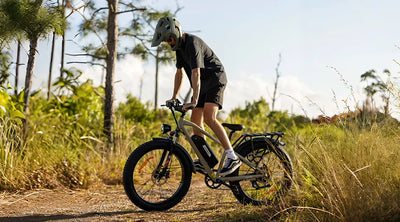
Hunter 2.0: Rugged and ready for adventure, this off-road beast gives you the extra power without needing to pedal hard on tough trails.

What Is a Torque Sensor?
A torque sensor is a more advanced technology that takes your pedal pressure into account. The harder you push the pedals, the more power the motor provides. It’s a dynamic system that creates a more natural, intuitive riding experience.
🔧 How It Works:
-
Real-Time Force Sensing: It measures the actual torque (force) you apply to the pedals.
-
Dynamic Output: The motor output adjusts instantly to your effort.
-
Intuitive Support: It’s like having a smart riding partner who knows exactly when you need a boost for a hill.
🚲 The Riding Experience:
-
Smooth and Responsive: There is virtually no delay; the bike feels like an extension of your own legs.
-
Bionic Boost: Feels like riding a traditional bicycle, but with superhuman strength.
-
Better Control: Enhanced balance and safety, especially when navigating stop-and-go traffic or technical inclines.
✅ Best For:
-
Fitness riders who still want to feel the burn.
-
Riders tackling varied terrain or steep hills where precision matters.
-
Performance enthusiasts seeking the most premium, natural ride feel.
📍 KINGBULL Models with Torque Sensors:
-
Verve: A compact, foldable e-bike with a premium feel—responsive, agile, and incredibly commuter-friendly.
-
Jumper GO: Our high-performance e-bike for riders who want speed, control, and a high-end experience. Now available for pre-order with a $600 Early Bird discount!

🔍 Cadence vs Torque: A Side-by-Side Comparison
| Feature | Cadence Sensor | Torque Sensor |
|---|---|---|
| Motor Response | On/Off style (Speed-based) | Proportional to pedal force |
| Ride Feel | More like a scooter/moped | Natural, like a traditional bike |
| Best For | Easy riding, commuting | Fitness, dynamic terrain, hills |
| Energy Efficiency | Can drain battery faster | More efficient, conserves power |
| KINGBULL Models | Literider 2.0, Hunter 2.0 | Verve, Jumper GO |
Frequently Asked Questions (FAQ)
1. Does a torque sensor make an e-bike faster than a cadence sensor?
Not necessarily. Top speed is usually governed by the motor’s watt rating and local regulations. However, a torque sensor feels faster "off the line" because it responds instantly to your foot pressure, whereas a cadence sensor requires a partial pedal rotation to kick in.
2. Which sensor type is better for battery life?
Generally, torque sensors are more energy-efficient. Because the motor only provides high power when you are working hard, it doesn't "waste" energy when you are pedaling lightly. Cadence sensors provide a set amount of power regardless of effort, which can deplete the battery faster if used on high assist levels.
3. Can I climb hills with a cadence sensor?
Yes! E-bikes like the KINGBULL Hunter 2.0 are excellent hill climbers. With a cadence sensor, you simply need to keep the pedals moving, and the motor will provide the full power of your selected assist level to help you reach the top without exhaustion.
Final Thoughts: So, Which One Is Right for You?
If you want a reliable, low-effort ride—something that gets you from A to B with minimal exertion—go with a cadence sensor model like the Literider 2.0 or Hunter 2.0.
But if you crave a natural, responsive ride and want to feel in sync with your bike, the Verve or Jumper GO with torque sensors will be your perfect match.
Whether you're cruising through the city or climbing mountain trails, knowing the difference between cadence and torque sensors ensures you choose the bike that fits your rhythm.
Ready to ride smarter? 👉 [Explore the KINGBULL E-bike Collection Now]


Leave a comment