












Purchase Guide
How to Choose an Electric Bike Suitable for Middle-aged and Elderly
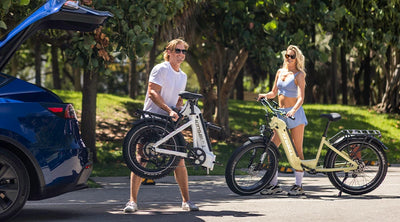
Cycling has always been a very popular sport. It not only helps people exercise, but is also a good opportunity to enjoy nature and make friends. For middle-aged and elderly people, riding a bicycle has become a burden due to the decline in physical function caused by age. But the advent of electric bikes has made riding a sport easier.
What is an electric bike?
Electric bicycles add motors, batteries and controllers to bicycles, allowing riders to use electric assistance when riding, which can save more energy or even consume no energy at all.
In the United States, more and more people are riding electric bikes. Electric bicycles are not only the best choice for commuting, they can also carry more cargo. They are also very environmentally friendly means of transportation and are supported by the national government.View U.S. electric bicycle subsidy policy
Electric bikes have a sturdier frame and wider tires, making them safer than traditional bikes. The riding modes of electric bicycles can be roughly summarized into 3 modes:1. Pedal mode: This means that you do not use electric assistance and use the most original pedaling method to ride an e-bike.2. Pedal assist: The motor provides assistance when you pedal, making riding easier.3. Throttle mode: You don’t have to pedal, just use the throttle to ride.
The more flexible riding method allows middle-aged and elderly people to easily ride electric bicycles. When you want to exercise, use pedal mode, and if you feel tired, use throttle mode.
Key points for middle-aged and elderly to choose ebikes
For middle-aged and elderly people, electric bicycles are the best solution for riding. When choosing an electric bicycle, you need to pay attention to the following points.
Step-Through Frame: Step-through frames are generally more suitable for middle-aged and older people. This design makes it easier to mount and dismount the bike, which is especially beneficial for older riders.
Wheel size: Larger wheels provide better stability and a smoother ride, while smaller wheels tend to make getting on and off the bike easier. Consider the terrain the bike will be used on and choose the right wheel size accordingly.
Weight and Portability: Consider the weight of the electric bike, especially if the rider needs to lift or transport it. Lightweight models or bikes with foldable designs may be more convenient.
Battery Range: Evaluate the battery range of the electric bike to ensure it meets the intended usage, whether for shorter rides around town or longer excursions.
Braking System: Ensure the electric bike is equipped with reliable and responsive braking systems. Hydraulic braking systems tend to be more sensitive and can provide better safety when riding.
Integrated Lights and Reflectors: Safety is paramount, so consider electric bikes with integrated lights and reflectors for better visibility, especially when riding in low-light conditions or at night.
Test Ride: Whenever possible, encourage the rider to test ride the electric bike to assess comfort, handling, and overall suitability before making a purchase.
Best ebikes for middle-aged and elderly
Kingbull is a well-known electric bicycle brand in the United States, providing high-performance and safe electric bicycles. The following are 2 electric bicycles that are very suitable for middle-aged and elderly people to ride.
Kingbull Voyager
The Kingbull Voyager is a low-step electric bike. Using 20-inch CST tires and a 750W motor, you can easily conquer any terrain. Voyager is equipped with an 840WH large-capacity battery with a maximum range of up to 60 miles. Whether it is a short ride or a long trip, it will be your best partner.
The Voyager stands out for its very efficient design and colors along the line. It combines cargo capacity with additional accessories to make it a versatile e-bike.
At the same time, Voyager is also an excellent cargo electric bicycle that can be equipped with a front basket, a rear basket and a rack bag. If you use an electric bike to get some work done, the Voyager is the right choice.
Kingbull Literider
The Kingbull Literider is widely regarded as the best folding electric bike.
More middle-aged and elderly people choose to buy folding electric bicycles. Folding e-bikes tend to be smaller and easier to carry and store. Kingbull Literider not only has beautiful appearance and practicality, but also has far stronger performance than ordinary folding electric bicycles on the market.Literider is equipped with a 750W motor and a 720Wh large-capacity battery, which makes Literider more capable of climbing and has a maximum range of 50 miles. The 20-inch CST all-terrain tires provide the best grip on any terrain and make the ride smoother. Hydraulic front forks and hydraulic braking systems provide better safety.
Easily folded in 10 seconds and effortlessly stored in your trunk, under the tabletop, Literider is the best companion for RV tours, camping, and commuting.
Conclusion
For middle-aged and elderly people, electric bicycles are the best solution for cycling. How to choose an electric bicycle suitable for middle-aged and elderly people should mainly be considered from two perspectives: safety and practicality.
Kingbull is a professional electric bicycle manufacturer providing reliable electric bicycles and travel solutions. All e-bikes come with a 2-year warranty and our excellent customer service team will provide the best support within 24 hours, so you can buy with confidence.
Read more

Kingbull NewsPurchase Guide
Revitalize Mom's Ride: Elevate Mother's Day with Electric Bikes!
Mother's Day is just around the corner. So, what could be better than giving a gift that combines fun, fitness, and versatility to express your love for Mom? Well, you're in luck. Electric bikes check all the boxes and then some. With a variety of designs and configurations available today, you can easily choose a model that suits your mom's unique needs.Understanding why electric bikes make the perfect gift for Mom, let's delve into 2 recommended models from Kingbull: the Literider and the Voyager. By understanding their unique advantages and use cases, you'll be able to make a savvy choice for a fantastic Mother's Day gift. You'll also discover electric bikes tailored for mom-friendly use and features she'll love.
Voyager: The Ultimate Full Suspension Cargo Electric Bike - $1,199 (Save $600)
The Voyager is a versatile gem, perfect for urban commuting and off-road adventures alike. With an easy-to-mount step-through frame, Mom won't have to worry about struggling to get on and off, even if she's wearing a skirt. The 840Wh battery provides a range of 60 miles on a single charge, while the 750w brushless motor reaches speeds of up to 28 mph. For maximum comfort and stability, 20x4” tires and a full suspension system offer exceptional shock absorption. This means Mom can ride safely and confidently. Mom often heads to the farmer's market to pick out her favorite vegetables and crafts, and the abundance of items can make carrying them difficult. But with Voyager's versatile design, it can carry more and heavier items. With Voyager, Mom can free up her hands and let it handle all the cargo.As a bonus, you'll receive free accessories like a rear seat board and straps, and you can also opt for additional front and rear baskets. With these goodies, Mom can transport groceries and other valuable items without the need for a separate backpack.
Literider: The Best Folding Step-through Electric Bike - $999 (Save $700)
For a delightful, gentle city commuter, the Literider is your best bet. The 750w brushless motor (peaking at 1300w) hits speeds of up to 28mph, complying with most local electric bike regulations. Meanwhile, the step-through frame is easy to mount, and the 20x4” tires are versatile enough for off-road adventures. Plus, the Literider folds up, making it perfect for storage in narrow spaces and carrying up and down stairs,making it a favorite among moms. It also boasts a 400-pound carrying capacity, perfectly meeting daily hauling needs.If Mom wants to reduce her reliance on cars, the Literider is a more environmentally friendly, sustainable mode of transportation. Like the Voyager, it comes with bonuses: you'll get free accessories including a phone mount and a combination lock.
Why Electric Bikes Make the Perfect Gift for Mom
When it comes to selecting the ideal Mother's Day present, electric bikes stand out as an unparalleled choice. Outfitted with a motor and high-capacity battery, they empower riders to traverse longer distances with less physical strain compared to conventional bicycles. This adaptability renders electric bikes effortlessly accessible, catering to individuals of varying fitness levels, including mothers, who can relish the advantages of enhanced health and convenience.
Enhanced Physical Well-being
Despite offering a lower intensity workout compared to traditional bicycles, electric bikes still deliver a level of exertion conducive to reaping numerous health benefits. Research indicates that electric bikes, particularly beneficial for those less inclined to exercise, contribute to enhancing cardiorespiratory health, mitigating the risk of diabetes, and facilitating a reduction in Body Mass Index (BMI).Moreover, the frequency and duration of electric bike rides surpass those of traditional cycling, simplifying the attainment of the recommended 150 minutes of moderate physical activity per week. Additionally, by fostering a decreased dependency on automobiles, electric bikes contribute to mitigating the global carbon footprint.
Supporting Disease Prevention
A significant portion of adults worldwide, approximately one-third, fails to engage in sufficient physical activity. In the United States, it's estimated that only 20.9% of adults meet the minimum activity requirements per week. Although the full ramifications of a sedentary lifestyle remain somewhat obscure, research suggests that it heightens the risk of weight gain, diminishes cardiac output and systemic blood flow, and exacerbates chronic inflammation — factors that elevate the risk of developing cancer.As previously mentioned, electric bikes offer a myriad of health benefits. In terms of disease prevention, evidence indicates that engaging in activities like biking can yield positive health outcomes, potentially lowering the risk or delaying the onset of lifestyle-related ailments such as stroke, colon cancer, breast cancer, and cardiovascular disease. Naturally, these outcomes align with healthy dietary habits and lifestyle choices.
Effortless Commuting
In contrast to traditional bicycles, electric bikes are utilized more frequently and for longer durations. Equipped with pedal-assist mode, each electric bike automatically activates the motor to supplement the rider's pedaling efforts. Additionally, Kingbull electric bikes offer the option to solely operate via throttle, providing motor power without necessitating pedaling.Whether Mom is a novice or seasoned rider, electric assistance renders challenges such as steep hills and rugged terrain surmountable. Furthermore, riders can customize the level of electric assistance to suit their preferences — opting for greater assistance for easier riding or reducing it to conserve battery power and enjoy a more rigorous workout.
Indulge Mom this Mother's Day and Save Up to $700
Electric bikes serve as an exemplary gift for Mother's Day, promoting both health and fitness while reducing reliance on automobiles. Moreover, their user-friendly nature compared to traditional bicycles heightens the likelihood of Mom embracing her newfound mode of transportation. With a plethora of designs and configurations available, finding the perfect match is virtually guaranteed.Are you ready to embark on Mom's electric bike journey? Explore Kingbull's electric bike lineup today. Our most sought-after models are currently available at substantial discounts, with savings of up to $700, accompanied by a selection of free accessories. Don't delay, act swiftly!
Conclusion
Make this Mother's Day unforgettable by gifting your mom the joy of effortless exploration and freedom with an electric bike. Whether it's cruising through scenic trails or enjoying leisurely rides around town, electric bikes offer an unparalleled experience for moms of all ages. Let's celebrate mom's love and adventurous spirit by revitalizing her ride this Mother's Day. Happy Mother's Day to all the incredible moms out there!
Read more

Kingbull NewsPurchase Guide
10 Enchanting Activities for Mother's Day
This Mother's Day, let's celebrate the remarkable women who nurture and cherish our families. Let's carve out moments of joy to honor our mothers, grandmothers, aunts, and all maternal figures. While gifts bring smiles, the most precious offering is our time. Let's make this Mother's Day truly unforgettable! Here are 10 whimsically delightful activities perfect for the occasion, for children and the entire family to revel in together.
1.Picnic Paradise
Pack a hamper or procure Mom's cherished picnic fare from a local deli and whisk away to her favorite park. Spread a blanket beneath the shade, savoring delectable treats and heartfelt conversations. Share tales of admiration for Mom amidst homemade delights, making this picnic an affair to remember!
2.Biking Bliss
Embark on a family cycling escapade, embracing the great outdoors. Glide along bike trails, basking in nature's splendor. For prolonged and pleasurable rides, consider eco-friendly electric bikes—perfect for all ages to effortlessly enjoy.
Elevate the Experience: Gift your deserving mom a KINGBULL electric bike, ideal for leisurely explorations and outdoor adventures.
3.Museum Marvels
Delve into captivating local museums or art galleries. Engage with science exhibits, historical artifacts, and artistic wonders, igniting familial dialogue. Unearth Mother's Day events and exclusive discounts through local cultural institutions.
4.Market Magic
With spring in bloom, farmers markets beckon. Pedal to the market on electric bikes, perusing fresh produce and artisanal crafts. Handpick ingredients with Mom, crafting a culinary masterpiece to savor together.
5. Join a club
Moms will be happy that you're very involved in her interests when you attend her favorite local club together, and the whole family makes heartwarming memories together to celebrate Mom's day.
6.Green Thumb Glory
May heralds the planting season—seize the opportunity to sow seeds of beauty and nourishment alongside Mom. Tend to the garden or cultivate potted flora, fostering intimate connections that bloom throughout summer.
7.Nature Escapades
Embrace outdoor adventures—hiking, birdwatching, or leisurely strolls in verdant parks. Immerse yourselves in nature's embrace, rejuvenating spirits and deepening bonds. Consider a sunset camping sojourn for extra moments with Mom!
A Nature Companion: KINGBULL's folding electric bikes are ideal for nature excursions, enabling exploration and sunset admiration with Mom.
8.Self-Care Sanctuary
Rally the family in Mom's self-care ritual, indulging her senses without lavish expense. Transform home into a spa haven with fragrant baths, flickering candles, and soothing massages. Prepare her for beach season with a pampering manicure—because every mom deserves a touch of luxury!
9.Crafting Connections
Craft a heartfelt tribute or embark on creative endeavors alongside Mom. Engage in imaginative pursuits, from personalized cards to whimsical kite-making. Each creation a testament to your enduring bond, cherished by Mom for eternity.
10.Game Night Gala
Initiate a tradition of spirited game nights—board games, card tournaments, or digital escapades. Laughter and friendly competition set the stage for a joyous Mother's Day soirée, brimming with cherished memories.
In Conclusion
May these shared moments and genuine connections etch an indelible mark on this Mother's Day. Here's to all the magnificent moms—Happy Mother's Day!
Read more

Purchase Guide
How to Choose an Electric Bike: The Ultimate 2026 Ebike Buying Guide
With fast-paced urban lifestyles and an increasing focus on health and sustainability, electric bikes (ebikes) have become the preferred choice for daily commuting and outdoor adventures. However, with so many options on the market, finding the best electric bike for your needs can feel overwhelming.
Different riding purposes call for unique cycling experiences. Whether you are an adventurous soul craving rugged off-road exploration, a daily commuter navigating bustling city streets, or a family person looking to cruise with your kids on weekends, there is a tailor-made ebike for you.
This comprehensive guide will walk you through how to select the most suitable electric bike based on your lifestyle, key technical features, and riding goals, helping you effortlessly find your perfect match.
1. Clarifying Your Purpose: Why Buy an Electric Bike?
Before diving into technical specifications, it is essential to clarify your primary driving force. Aligning your purpose with the right model ensures you get the best value for your investment. Here is why modern riders are making the switch:
Efficient Urban Commuting: Modern electric commuter bikes eliminate the fatigue, sweat, and time wastage associated with traditional bicycles. Especially in heavy traffic, pedal assist allows you to navigate gridlock faster than cars.
Eco-Friendly Transportation: Choosing a green transportation ebike actively reduces air pollution and lowers your carbon footprint, making a tangible impact on environmental protection.
Smart Economic Savings: While there is an upfront investment, the long-term operational, charging, and maintenance costs of an ebike are significantly lower than owning a car, paying for public transit, or ridesharing.
Active & Healthy Lifestyle: Ebikes aren't just for "throttle cruising." They serve as excellent fitness tools. By adjusting your pedal assist levels (PAS), you can get a tailored cardiovascular workout during your daily commute, improving overall physical health without exhausting yourself.
2. Understanding the Main Types of Electric Bikes
To meet diverse consumer demands, the ebike market has evolved into several distinct categories:
🏙️ City Commuter Electric Bikes
Designed to be sleek, agile, and lightweight. These bikes typically feature narrower tires for low rolling resistance on pavement and an upright geometry optimized for comfort during street navigation.
🏔️ All-Terrain & Mountain Electric Bikes (eMTB)
Tailored for riders who love tackling rugged trails, dirt paths, or mountain terrains. They boast robust suspension systems, durable frames, and high-torque motors to make climbing steep hills effortless.
🚲 Foldable Electric Bikes
The ultimate choice for urban dwellers and multi-modal commuters. A folding ebike for adults can be easily collapsed and stowed in a car trunk, public transportation, under an office desk, or in a compact apartment.
📦 Utility & Cargo Electric Bikes
Built with heavy-duty frames, extended rear racks, and enhanced load-carrying capacities. These are perfect for parents hauling kids, grocery runs, or urban delivery businesses.
💡 Unsure which category fits you best? Check out our interactive [Ebike Comparison Page] to see how different styles stack up side-by-side in size, weight, and capacity!
3. Key Ebike Features: What You Must Look For
When shopping for the best fat tire electric bike or commuter bike, paying attention to these core performance metrics will directly impact your daily riding experience.
① Battery Capacity & Quality
The battery is the heart of your ebike. It determines how far you can ride before needing a plug.
Lithium-Ion Battery: High energy density, lightweight, and long lifespan. This is the industry standard for premium ebikes.
Other Types: Older technologies like Lead-Acid or Nickel-Metal Hydride are heavy and inefficient, while Solid-State batteries are still mostly experimental and cost-prohibitive.
The Kingbull Advantage: All Kingbull ebikes utilize a premium 48V 17.5Ah Lithium-Ion battery. Compared to standard ebikes on the market, our battery capacity is well above average, providing reliable power delivery.
② Range (Miles Per Charge)
Range relates to how far your bike goes on a single charge. It is heavily influenced by rider weight, terrain, wind, and pedal-assist level.
Kingbull ebikes boast an impressive, reliable range of up to 60 miles per charge under optimal conditions. If you prioritize long-distance rides without range anxiety, Kingbull is a top contender.
③ Motor Power & Torque
Motor power determines acceleration and hill-climbing capabilities.
Kingbull models come equipped with a powerful 750W rear hub motor (capable of higher peak wattage outputs). This robust motor provides ample torque for quick off-the-line acceleration and ensures you won't stall out on steep inclines.
④ Speed & Class Regulations
Kingbull ebikes can reach a maximum speed of up to 28 mph (Class 3 performance), providing a dynamic and efficient option for swifter commutes.
Note: Always check your local state and city regulations regarding ebike speed limits and path permissions to ensure a safe, compliant ride.
⑤ 5-Level Pedal Assist System (PAS) & Speed Sensors
While some ebikes only offer 3 levels of assistance, Kingbull features an intuitive 5-level pedal assist system paired with responsive speed sensors. This allows you to precisely fine-tune how much electrical boost you receive—maximizing battery efficiency on flat roads or calling in heavy reinforcements for steep hills.
⑥ Frame Design: Step-Through vs. Step-Over
Frame Style
Primary Features
Best Suited For
Step-Through Frame
Features a lower top tube for effortless mounting and dismounting.
Casual cruising, commuting in various outfits, or riders with limited mobility.
Step-Over Frame
Incorporates a traditional higher top tube, offering enhanced structural rigidity.
Sportier, aggressive riding styles and vigorous off-road tracks.
Material: Kingbull frames are crafted from premium 6061 Aluminum Alloy, offering exceptional lightweight characteristics, impact resistance, and rust-proofing.
4. Top Recommended Kingbull Ebikes for 2026
To help you make an informed decision, we have upgraded our flagship lineup to deliver better performance, smarter components, and unmatched durability.
(To see a full breakdown of specs, dimensions, and payload capacities for these three upgraded models, head straight to our official [Ebike Comparison Page]).
🏆 1. Kingbull Literider 2.0 — The Ultimate Folding Companion
The Literider 2.0 is more than just an electric bike; it’s a versatile, space-saving companion built to excel in both urban environments and weekend escapades.
Upgraded Performance: Driven by a formidable 750W motor (with a peak power output of up to 1300W), it zips up to legal limits of 28 mph with ease.
Long-Range Freedom: Enjoy up to 50–60 miles of exploration on a single charge.
Premium Components: Equipped with a Shimano 7-speed gearbox for smooth mechanical shifting, hydraulic disc brakes for responsive, all-weather stopping power, and versatile 20" x 4.0" fat tires for incredible stability on pavement, gravel, or sand.
Why Choose It: Its innovative, heavy-duty folding mechanism allows you to collapse the bike in seconds. It fits perfectly in car trunks, closets, or public transit, offering unparalleled urban versatility.
🏆 2. Kingbull Voyager 2.0 — The High-Stability Utility Cruiser
If you are looking for a reliable heavy-hitter that masterfully combines raw power, cargo utility, and passenger safety, the Voyager 2.0 is your top choice.
Rock-Solid Wheels & Frame: Features a robust, low-maintenance unibody wheel design instead of traditional wire spokes. This significantly increases structural rigidity, making it less prone to warping and ideal for carrying cargo or a second passenger.
Steady Traction: Fitted with wide CST 20" x 4.0" fat tires, the Voyager 2.0 distributes weight evenly, absorbing road vibrations and providing excellent grip on diverse city terrains.
Optimized Geometry: The unibody frame includes a uniquely raised rear seat and low center of gravity, drastically reducing the risk of tipping and ensuring a secure, balanced ride even under full payloads. Coupled with a Shimano 7-speed gear system, tackling urban inclines with groceries is a breeze.
🏆 3. Kingbull Rover 2.0 — The All-Terrain Off-Road Beast
For riders who refuse to be confined to paved streets, the Rover 2.0 is a rugged, high-performance off-road fat tire ebike engineered for pure adventure.
Massive Footprint: Equipped with massive CST 26" x 4.0" fat tires. The expanded surface area provides supreme "floatation" over loose terrains like deep mud, soft sand, and snow, preventing the bike from sinking.
Soft-Tail Full Suspension: A rarity among rugged off-road ebikes, the Rover 2.0 features an advanced soft-tail rear suspension design alongside a front suspension fork. This dual-shock system cushions severe impacts, offering a plush, shock-resistant ride on rocky trails.
Unmatched Trail Power: Powered by our signature 750W high-torque motor and a long-lasting 48V 17.5Ah battery, the Rover 2.0 gives you the confidence, traction, and mechanical control (via Shimano 7-speed) to conquer the great outdoors.
Conclusion: Which Kingbull Ebike Is Right for You?
When choosing an electric bike, your ultimate decision should balance your riding environment, storage constraints, and lifestyle needs:
Choose the Literider 2.0 if you prioritize portability, commuting flexibility, and space-saving storage.
Choose the Voyager 2.0 if you need an ultra-stable urban utility vehicle for cargo, groceries, or passenger transport.
Choose the Rover 2.0 if you crave weekend trail riding, all-terrain exploration, and maximum shock absorption.
Ready to see how these models match up in detail? Click below to visit our interactive comparison matrix and lock in the best deals of the season!
👉 [Explore the Kingbull Ebike Comparison Page & Find Your Ride Today!]
Read more

Purchase Guide
Cruising into the Future: Top Picks for Women's E-Bikes in 2024
As we propel further into the 21st century, the realm of transportation undergoes a remarkable transformation, and at the forefront of this revolution are electric bikes. In particular, the surge in popularity of e-bikes among women has sparked an array of innovative designs and features tailored to their needs. With 2024 upon us, let's embark on a journey to explore the top picks for women's e-bikes, unveiling the cutting-edge advancements and irresistible choices that await in the world of electric cycling.
Things women need to consider when choosing an ebike
When selecting an electric bike, women should pay attention to several key factors to ensure the best fit for their needs. These factors include frame design, comfort, stability, weight, riding preferences, and brand reputation. By carefully considering these aspects, women can make an informed decision and find an electric bike that suits their lifestyle and preferences.
Comfort and Stability
Comfort and stability are key considerations for women when selecting an electric bike. Lightweight models are often favored due to their ease of handling and maneuverability. A bike that is easy to control not only enhances the riding experience but also instills confidence, especially when navigating through different terrains or congested urban areas.
In addition to weight, the quality of suspension systems plays a vital role in ensuring a comfortable ride. A well-designed suspension system absorbs shocks and vibrations from uneven surfaces, minimizing discomfort during long rides. Similarly, sturdy frames provide stability and support, allowing riders to maintain control even at higher speeds or when tackling challenging terrain.
Moreover, ergonomic features such as adjustable handlebars and saddle positions can further enhance comfort by accommodating individual preferences and body types. By prioritizing comfort and stability, women can enjoy a more enjoyable and safer riding experience on their electric bikes, whether for daily commutes or leisurely rides.
Weight
Weight plays a significant role in the overall usability and practicality of an electric bike. Opting for a lighter bike offers several advantages, including ease of lifting and transporting. This is particularly beneficial for situations such as storing the bike in a small apartment, carrying it up stairs, or loading it onto public transportation.
However, while lighter bikes may be more convenient for transportation, it's essential to strike a balance between weight and durability. A bike that is too lightweight may compromise on structural integrity, potentially leading to issues with long-term durability and performance, especially if the bike is regularly used for commuting or recreational rides on varying terrain.
Therefore, it's crucial to consider the materials used in the bike's construction and ensure they offer the necessary strength and durability without adding excessive weight. Additionally, features such as robust frames, quality components, and reliable construction techniques contribute to a bike's overall durability, ensuring it can withstand regular use and provide a satisfying riding experience over time. Ultimately, finding the right balance between weight and durability ensures that the electric bike remains practical, reliable, and enjoyable for everyday use.
Riding Preferences
When choosing an electric bike, it's essential to consider your riding habits and preferences to ensure that the bike aligns with your intended use. If you plan to use the electric bike for daily commuting, factors such as battery range and reliability become paramount. A bike with a longer battery range and efficient charging capabilities would be ideal for covering daily distances without the need for frequent recharging.
For leisurely rides, comfort and ease of handling are key considerations. Look for features like ergonomic handlebars, a comfortable saddle, and a smooth suspension system to enhance your riding experience. Additionally, a bike with multiple assist levels allows you to tailor the level of assistance to match your desired level of exertion.
If you're drawn to off-road adventures, opt for an electric bike with robust construction and versatile tires. Features like wider tires with aggressive tread patterns provide better traction on uneven terrain, while a durable frame and components withstand the rigors of off-road riding. Look for bikes with suspension forks or full suspension systems to absorb shocks and enhance stability on rough trails.
Understanding your intended use and preferences will help you narrow down your options and choose an electric bike with the features and capabilities that best suit your needs. Whether it's commuting, leisure riding, or off-road exploration, selecting the right electric bike ensures a more enjoyable and fulfilling riding experience.
Step-thru or Step-over Frames
Step-thru and step over are two common frame designs for electric bikes, but which one is better for women? When choosing an electric bike, frame design is a crucial consideration, especially for women.
Step-thru and step over are two common frame designs for electric bikes, and they differ in shape and structure. The Step-thru frame design features a low crossbar, allowing riders to easily step through the frame without lifting their legs too high. This design is particularly convenient for women wearing skirts or long pants, as they don't need to lift their legs as high as with a step over frame. In contrast, the step over frame design has a traditional triangular structure that requires riders to lift their legs higher to step over the frame. While the step over frame may provide stronger support and stability in certain situations, for many women, the step-thru frame is more convenient and user-friendly. Therefore, if comfort and convenience are the primary considerations, the step-thru frame is often more suitable for female riders.
The best electric bike for Women
Finding the most suitable electric bike for women may require considering various factors, including frame design, comfort, stability, portability, and brand reputation. By taking these factors into account, one can find an electric bike that meets the needs of female riders while also offering high quality and reliability.
Literider
The Literider electric bike is crafted to be rugged and durable, ensuring reliability and longevity for all your adventures. Its minimalist design, featuring a sleek white color and built-in battery, makes it not only eye-catching but also effortlessly stylish.
Constructed from upgraded 6061 Aluminum Alloy, the frame of the Literider is exceptionally sturdy, capable of supporting riders up to 400lbs while securely housing the battery. This robust build ensures confidence and stability on any terrain.
Equipped with a Suspension Front Fork, the Literider offers agile and advanced performance, enhancing ride comfort and safety by effectively absorbing shocks and maintaining stability. Precise adjustments ensure maximum resilience, providing a smooth and secure ride experience.
Illuminate your path with the Literider's powerful lighting system. A 48V high-intensity LED headlight, coupled with a bright tail light, illuminates the road ahead and enhances visibility, ensuring clear sightlines for riders in any lighting condition. Additionally, this enhances the bike's visibility to other road users, promoting safer riding.
Powered by a 750w motor, the Literider offers impressive performance, reaching speeds of up to 28mph. With a range of 50 miles on a single charge and a payload capacity of 400lbs, it's a versatile and capable electric bike suitable for various riding needs. Whether commuting, running errands, or exploring new trails, the Literider delivers reliability, performance, and style for every journey.
Precautions for Riding Electric Bikes
Safety Gear: Always wear a helmet when riding an electric bike. Additionally, consider wearing bright-colored clothing to enhance visibility, especially when riding at night, and use front and rear lights along with reflective gear.
Familiarize with Traffic Rules: Adhere to road traffic regulations and signs, including traffic lights, pedestrian crossings, and road signs. Stay vigilant on the road and share the road responsibly with other vehicles and pedestrians.
Control Speed: Understand the speed limits of your electric bike and adhere to them strictly. Adjust your speed accordingly based on road conditions and pedestrian density, slowing down when necessary and maintaining a safe distance.
Regular Maintenance: It's crucial to keep your electric bike in good condition. Regularly check brakes, tire pressure, lights, and battery status. Perform routine maintenance to ensure safety and optimal performance.
Storage and Charging: Store your electric bike in a secure place away from moisture and extreme temperatures when not in use. Keep the battery charged regularly to maintain its performance and follow the manufacturer's charging guidelines.
Respect the Environment: While electric bikes are an environmentally friendly mode of transportation, it's essential to be mindful of the environment. Avoid abandoning electric bikes in inappropriate places, minimize noise and pollution, and contribute to the protection of natural resources and ecosystems.
About Kingbull
At Kingbull, we take pride in our commitment to quality and reliability. Each Kingbull electric bike undergoes rigorous testing by our team of skilled technicians to ensure top-notch performance and durability. With our meticulous attention to detail, you can rest assured that every Kingbull electric bike is built to the highest standards, providing you with a safe and enjoyable riding experience.
Additionally, we stand behind the quality of our products with confidence. That's why we offer a comprehensive two-year warranty on all our electric bikes. This warranty demonstrates our dedication to customer satisfaction and serves as a testament to the superior craftsmanship and reliability of Kingbull electric bikes. So when you choose Kingbull, you're not just investing in a bike; you're investing in peace of mind and the assurance of quality that lasts.
Read more

Purchase Guide
Top Picks: The Best Electric Bikes Under $1000 in 2024
In the ever-expanding world of electric bikes, finding a reliable and affordable option can sometimes feel like searching for a needle in a haystack. Fortunately, as technology advances and competition grows, the market for electric bikes under $1000 has become increasingly robust, offering consumers more choices than ever before. Whether you're a commuter looking to beat traffic, an eco-conscious rider seeking sustainable transportation, or simply someone who enjoys the thrill of cycling with a little extra boost, there's never been a better time to explore the world of budget-friendly electric bikes.
The Electric Bikes Under $1000
In the realm of urban commuting solutions, the Kingbull Folding Electric Bike emerges as a beacon of affordability and practicality. Designed to cater to the needs of modern city dwellers seeking efficient and eco-friendly transportation options, the Kingbull Folding Electric Bike offers a compelling combination of convenience, performance, and affordability.
Kingbull Literider
At the heart of the Kingbull Literider lies a robust 750W motor, capable of reaching peak power of up to 1300W. With its impressive power output, the Literider effortlessly covers distances of up to 50 miles on a single charge, allowing riders to zoom through cityscapes at speeds of up to 28 mph.
Equipped with features like a Shimano 7-speed, hydraulic brakes, and innovative 20-inch tires, the Literider ensures a comfortable and efficient riding experience. Whether tackling urban commutes or embarking on outdoor adventures, this electric bike delivers unmatched performance and reliability.
Beyond its exceptional performance, the Literider's foldable design adds an extra layer of practicality, making it easy to store and transport when not in use. With the Kingbull Literider, riders can enjoy a harmonious balance of power, comfort, and compact design, ensuring a seamless journey every time.
Affordable E-Bike Selection Tips
When choosing an affordable electric bike, there are several important considerations to keep in mind. Firstly, ensure that the bike's quality and performance meet your needs and expectations. This involves carefully inspecting key components such as frame material, motor power, and battery capacity. Make sure these parameters can meet your daily riding requirements; for example, if you plan on long-distance rides, battery capacity may be an important consideration.
Secondly, verify the reputation of the bike's brand and manufacturer. Opting for products from reputable brands typically means you can expect better after-sales service and warranty support. Checking other users' reviews and feedback is also a good practice to understand their purchasing experiences and usage sentiments, thereby better assessing the product's quality and performance.
Lastly, consider the bike's value for money. While price is an important factor, don't solely chase the lowest price. Compare different brands and models of electric bikes, examine their features and performance, and weigh the relationship between price and performance. Only through comprehensive comparison and evaluation can you find the most suitable affordable electric bike for your needs and budget.
Kingbull's Literider
Motor
1300W (peak), 750W (sustained), 48V
Battery
Removable lithium-ion 48V, 15Ah battery
Speed
28 MPH
Range
Up to 50 miles
Pedal Assist
5 level
Brakes
Hydraulic
Throttle
Half twist
Sensor
Cadence
Gears
7 Speed
Weight
73lbs
Payload Capacity
400 lbs
Frame
6061 AluminumAlloy With Internal Battery
Wheels
20" x 4.0"
Light
Included
Price
$999
Checking Media and User Reviews
When it comes to choosing an electric bike, it's crucial to check both media and user reviews. Media reviews offer professional and objective evaluations, while user reviews reflect real purchasing and usage experiences. By considering both, you can gain a comprehensive understanding of the performance, quality, and real-world performance of electric bikes, allowing you to make a more informed purchasing decision. The following is Kingbull Literider's true media and user reviews.
Media
Customers
Claire
This is the best option
I did a lot of looking around before purchasing. There's a bunch of websites and reviews for the best e bike. The folding feature kept me coming back to this brand. I am very impressed. What I love most is I can pedal like a bike, or let the bike do some of the work. It's a solid brand and I am surprised it's not at the top of all the lists I found on Google. A lot of user friendly thought went into this bike. It's very light. I live in an apartment and a folding bike with a removable battery was my only good option. My whole family has tried it 5'0 to 6'3 and we all like it.
Dawson
Exceptional Quality and Unbeatable Performance!
I recently purchased this electric bike from Kingbull and I am absolutely thrilled with my decision. This bike has exceeded all my expectations and has brought me immense joy in my daily commutes.
The assembly process was smooth and straightforward thanks to the detailed instructions provided. I was up and running in no time! The design is sleek, modern, and the bike itself is extremely sturdy - definitely built to last.
The ride quality is truly amazing. The motor is surprisingly powerful and quiet, making my rides smooth and enjoyable. I am especially impressed with the battery life. Charges quickly, ensuring I am always ready for my next ride.
This bike has proved to be incredibly efficient for my daily commutes, saving me a significant amount on fuel costs. It's also great for leisurely rides around the park.
Dean
Great gift to my 17 year old son!
I bought this E bike for my 17 year old son for his present. I am not a bike person and this is actually our first e bike in the family. We have a couple of normal bikes but not used much. We have a bike wagon for my younger one but it is so difficult to ride it uphill with a normal bike. That is why I bought this e bike with a thinking to use it for the wagon LOL.
Assemble: it is pretty smooth. A quick tip: I would suggest to read through the user manual before the assemble process.Quality and performance: good quality bike, a little heavier than a normal bike but I can lift it up with no problem. It runs very smoothly and fast, make sure wear a helmet. It makes uphill so easy and make a bike ride much more enjoyable.
Riding with a wagon, no pressure at all. I need to keep reminding my older son to slow down and need to remind him that it is about time to go home which it has been the total opposite while we ride with normal bikes LOL. I am happy with this bike. My son is happier.
Kingbull Test Ride
The Kingbull test ride point is a service dedicated to providing our customers with the opportunity to experience our electric bikes firsthand. At our test ride point, you can personally test the performance, comfort, and handling of our various electric bikes. Our test ride point is staffed with knowledgeable professionals who will provide you with detailed product information and operation guidance to ensure you fully understand and can choose the model that best suits your needs. If you'd like to learn more about our test ride point, please visit our website and schedule a test ride. For more details, please see: Kingbull Test Ride Point Reservation Page.
Kingbull Easter Promotion
We're excited to announce our Easter promotion here at Kingbull! For a limited time, take advantage of our special offers on electric bikes. Purchase one bike and get $50 off, or buy two bikes and save $200. Plus, our popular Literider model, originally priced at $1699, is now available at a discounted price starting as low as $899!
But that's not all – when you shop at our store for an electric bike, you'll also receive complimentary accessories with your purchase. Each bike comes with a free combination lock, a convenient phone mount, and a comfortable rear seat cushion.
Don't miss out on these fantastic deals! Visit our store today to take advantage of our Easter promotion and ride away with a great electric bike at an unbeatable price.
Conclusion
In this article, we have discussed electric bikes Literider priced under $1000, offering some selection tips and emphasizing the importance of checking media and user reviews. We also introduced Kingbull's test ride locations and Easter promotion, providing readers with more opportunities for understanding and purchasing. Whether you are a novice or an experienced rider, finding an electric bike that suits your needs is possible. Remember to compare different brands and models, delve into their features and performance, and explore Kingbull's promotional offers and test ride services. We hope this article helps you find your ideal electric bike and adds more enjoyment and convenience to your commuting experience.
Read more


