














Explore News

Kingbull News
Kingbull Leads the Off-Road Trend: Unveils the Latest Electric Bike 'Rover'
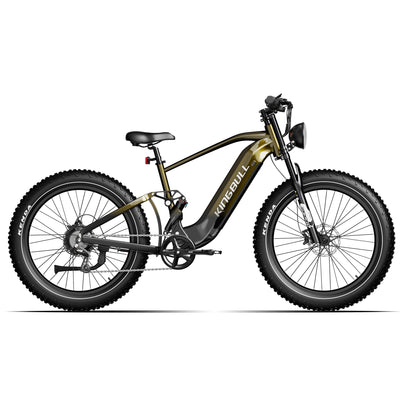
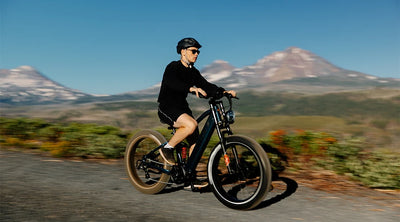
Kingbull proudly announces the launch of its latest innovation – 'Rover.' This off-road electric bike is designed to redefine dual-wheel adventures. Revealing a perfect blend of power and agility, Rover promises riders an exhilarating off-road experience. Kingbull will continue its commitment to revolutionizing the cycling industry by introducing Rover into its product lineup, catering to enthusiasts seeking the thrill of off-road exploration. This marks a new choice for riders looking for a unique and efficient riding experience.
Unmatched Performance Features
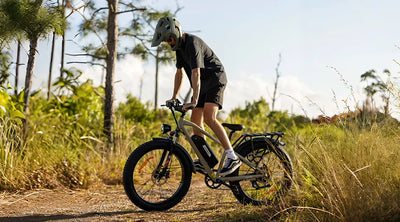
High-Performance Motor: At the heart of the Rover lies a robust 750w motor, delivering formidable performance to effortlessly conquer various terrains. This includes mountain trails, sandy paths, and forested trails. Its high-powered motor and advanced features make it the top choice for riders seeking an extraordinary off-road adventure. Riders can anticipate an exhilarating off-road journey guided by this dynamic motor.
Half Twist Throttle: Designed for precision and control, the Half Twist Throttle system on off-road electric bikes allows riders to precisely control their speed, ensuring a responsive and tailor-made riding experience. This innovative throttle design is especially convenient for off-road enthusiasts, providing them with a quick and intuitive way to modulate their speed, navigate challenging terrains, and enjoy a seamless riding adventure.
Soft Tail Design: The groundbreaking soft tail design of the Rover ensures a smooth and stable ride across various terrains, even in the most rugged landscapes. Kingbull electric bikes not only inherit but also advance the traditional soft tail design, delivering outstanding riding comfort to cyclists. The preservation of the soft tail design transforms every off-road journey into an enjoyable adventure.
The benefits of the soft tail design lie in its exceptional absorption of vibrations and bumps, especially on uneven terrains. This feature provides riders with a smoother riding experience, reducing the impact on the body and minimizing fatigue. Additionally, the soft tail design contributes to enhanced vehicle maneuverability, making it more adaptable to diverse terrains and environments.
26" x 4" CST Fat Tires: The Rover is equipped with powerful 26" x 4" CST fat tires, providing riders with outstanding traction and exceptional stability, making it the perfect companion for challenging terrains. These fat tires not only highlight the Rover's robust off-road performance but also offer a range of unique advantages for riders.
The design of fat tires enables them to effortlessly navigate through various terrains, excelling on soft sands, rugged mountain trails, slippery muddy paths, and other challenging landscapes. This provides riders with a broader range of off-road options, allowing them to traverse diverse environments without worrying about losing traction.
Furthermore, fat tires provide enhanced cushioning, effectively reducing vibrations and impacts on the rider's body. This is crucial for decreasing fatigue and improving riding comfort. The low-pressure design of fat tires also increases the surface area in contact with the ground, improving traction and allowing riders to confidently conquer various terrains.
Intelligent Lighting System: Safety takes center stage with the Rover's intelligent lighting system, featuring directional taillights. These lights not only illuminate the path ahead but also serve as turn signals, enhancing communication with other road users and minimizing the risk of accidents, especially during nighttime or low-visibility conditions.
Technical Specifications
Powerful 750w Motor
48V, 17.5Ah Battery
Top Speed of 28 MPH
Impressive Range of 60 Miles
Shimano 7 speed
Maximum Load Capacity of 440 lbs
Kingbull's Commitment
Kingbull is dedicated to providing high-quality, innovative, and sustainable transportation solutions. With a focus on performance, design, and rider experience, Kingbull continuously redefines the way people commute and explore the world around them. In the philosophy of Kingbull, each vehicle is not just a means of transportation but also a unique adventure. We emphasize innovation and strive to create outstanding products, offering riders exceptional performance and unforgettable experiences. Whether it's urban commuting or off-road adventures, Kingbull vehicles are reliable companions, empowering individuals to explore the world in a more convenient and environmentally friendly way.
Read more

Purchase Guide
The Perfect Gift for Parents: Why an Electric Bike is a Thoughtful and Practical Choice
In the midst of the holiday season, as we search for that special gift to express our deep love and gratitude for our parents, consider the electric bike. It's not only a unique gift but also an investment that will benefit your parents in numerous ways.
The Practicality of Electric Bikes
In recent years, the introduction of electric bikes has revolutionized the cycling experience, offering a plethora of benefits that extend beyond the traditional pedal-powered counterparts. This modern mode of transportation has proven to be a game-changer, particularly for parents seeking practical and versatile options for commuting and recreational activities.
One of the primary advantages of electric bikes lies in their ability to make cycling more enjoyable. The electric assistance provided by the motor significantly reduces the effort required to pedal, making it an accessible and enjoyable activity for individuals of various fitness levels. This enhanced cycling experience is particularly beneficial for parents, as it encourages them to embrace a healthier and more active lifestyle without the daunting physical strain associated with traditional biking.
Electric bikes also usher in a new era of transportation for parents, addressing the challenges of daily commuting and offering a convenient solution for weekend leisure activities. The versatility of electric bikes makes them suitable for a wide range of needs, from efficiently navigating urban landscapes to exploring scenic routes during leisurely rides.
Beyond being a mere means of transportation, electric bikes represent a commitment to a healthy and eco-friendly lifestyle. With the option to switch between electric and manual modes, parents can choose the level of assistance they need, promoting physical activity while still enjoying the flexibility of motorized support. This dual functionality makes electric bikes an ideal choice for those who want to integrate exercise into their routine without compromising on convenience.
Promoting a Healthy Lifestyle
As individuals age, prioritizing vitality and health becomes increasingly crucial. Kingbull electric bikes emerge as an excellent solution, offering a seamless and enjoyable way for parents to engage in physical activity while relishing the beauty of the outdoors. Let's delve deeper into how these electric bikes contribute to promoting a healthy lifestyle for your parents.
Accessible Exercise: Electric bikes from Kingbull provide a convenient and accessible means for parents to engage in regular exercise.
Outdoor Enjoyment: The electric bikes are designed to enhance the outdoor experience. Whether embarking on a leisurely city ride or conquering challenging terrains in the mountains, Kingbull bikes offer adaptability for diverse riding scenarios. This encourages parents to spend more time outdoors, breathing in fresh air and enjoying the natural surroundings.
Versatility in Riding Scenarios: One key advantage of Kingbull electric bikes is their adaptability to different riding scenarios. The bikes are well-suited for urban commuting, providing a practical and eco-friendly alternative to traditional transportation. Simultaneously, they are robust enough to tackle more adventurous terrains, fostering an active and dynamic lifestyle for your parents.
Physical and Mental Well-being: Regular exercise, especially in the form of enjoyable activities like biking, contributes not only to physical health but also to mental well-being. Riding an electric bike can be a source of joy and relaxation, offering parents a pleasant escape from daily stresses while engaging in a productive and health-boosting activity.
Connecting with Nature
Gifting your parents an electric bike is a profound gesture that extends beyond providing them with a mere mode of transportation. It's about offering them a gateway to connect with nature in a unique and invigorating way.
Riding an electric bike opens up a world of possibilities for your parents to immerse themselves in the tranquility of the natural environment. As they pedal along scenic paths, the electric bike becomes a conduit for experiencing the sheer pleasure of the breeze against their faces, breathing in the crisp and invigorating air, and relishing the joy of outdoor moments.
In the hustle and bustle of everyday life, an electric bike serves as a vehicle for your parents to escape to serene landscapes, lush parks, or winding trails. It becomes a tool for them to rediscover the beauty that nature has to offer, fostering a sense of peace, mindfulness, and a deeper connection with the world around them.
Enhancing Social and Entertainment Activities
Electric bikes offer a wonderful avenue for enhancing social connections and entertainment activities for parents. Here's a more detailed elaboration:
Group Rides with Friends: Electric bikes provide an excellent opportunity for parents to organize group rides with their friends. Whether exploring scenic routes, urban trails, or simply cruising around the neighborhood, the shared experience of an electric bike ride adds a new dimension to socializing. It becomes a fun and healthy way for friends to spend time together, fostering camaraderie and creating lasting memories.
Community Biking Groups: Many communities have biking groups or clubs that organize regular rides and events. Parents can join these groups to connect with like-minded individuals who share a passion for cycling. This not only promotes physical activity but also opens doors to new friendships and community engagement. Being part of a biking community brings a sense of belonging and adds a social aspect to the joy of riding.
Weekend Rides with Family: Electric bikes make weekend family rides an enjoyable and accessible activity. Parents can explore local parks, nature trails, or scenic routes with their children. The pedal-assist feature allows family members of different fitness levels to ride together comfortably. These shared adventures not only promote a healthy lifestyle but also provide a unique opportunity for quality family time, creating bonds that last a lifetime.
Strengthening Parent-Child Relationships: The shared experience of riding electric bikes can be a bonding activity for parents and their children. Whether it's a leisurely ride around the neighborhood or a more adventurous trail, the time spent together outdoors fosters communication and mutual enjoyment. This shared interest in electric biking can become a cherished tradition, strengthening the parent-child relationship.
Expanding Social Circles: Electric biking can serve as a gateway to expanding social circles. Through organized events, group rides, or even chance encounters during rides, parents can meet new people and form connections. The shared love for electric biking provides a natural conversation starter, making it easier to forge friendships and connections within the community.
Efficient and Convenient Travel
Electric bikes, such as Kingbull, are equipped with an efficient power system that significantly enhances the convenience of travel. Here's an in-depth exploration of how this feature can positively impact your parents' daily commuting experience:
Freedom from Traffic Jams: One of the major hassles of daily commuting is dealing with traffic jams. With an electric bike, your parents can effortlessly navigate through congested streets, bypassing the frustration of being stuck in long queues of vehicles. The electric assist system provides a boost, allowing them to maintain a consistent speed and efficiently weave through traffic.
Breeze to Reach Destinations: Electric bikes like Kingbull are designed to make reaching destinations a breeze. The combination of human pedaling and electric power assistance allows for a faster and less strenuous ride. Whether it's commuting to work, running errands, or exploring the neighborhood, the electric assist system ensures a swift and comfortable journey.
Added Convenience to Daily Lives: By gifting your parents a Kingbull electric bike, you are introducing a new level of convenience to their daily lives. The ability to effortlessly travel from one point to another not only saves time but also adds a touch of simplicity to their routines. It's a practical and thoughtful gift that enhances their mobility and overall well-being.
Choosing Kingbull as a Gift
When you're looking for a unique and thoughtful gift, Kingbull is an excellent choice. As a professional electric bike brand, Kingbull not only leaves a lasting impression but also brings a surprise to your parents that goes beyond the ordinary. In the process of choosing the perfect gift, selecting Kingbull is not just about giving an electric bike; it's about endowing them with a healthy, vibrant, and liberated lifestyle.
Kingbull Voyager
Explore the remarkable performance of the Voyager cargo electric bike with a robust 750W motor, paired with a substantial 17.5Ah battery for extended rides. Achieving speeds of up to 28mph and boasting an impressive range of 60 miles, the Voyager ensures a thrilling and efficient commute. With a solid construction weighing 77lbs, it supports a substantial payload capacity of 440lbs, coupled with a rear rack weight limit of 180lbs, making it an ideal companion for cargo hauling. The inclusion of a speed sensor and a responsive thumb throttle adds precision and versatility to your riding experience, providing both electric assistance and dynamic control. Elevate your journey with the Voyager's powerful features, promising a seamless blend of speed, endurance, and cargo capacity.
Kingbull Rover
Embark on a thrilling journey with the Rover electric bike, boasting exceptional performance features. Powered by a robust 750W motor and equipped with a high-capacity 17.5Ah battery, the Rover accelerates effortlessly, reaching impressive speeds of up to 28mph. With a remarkable range of 60 miles on a single charge, this electric bike ensures an extended and enjoyable riding experience. The innovative inclusion of a Cadence sensor enhances the bike's responsiveness, while the Half Twist throttle provides riders with precise control over electric assistance. Whether cruising at top speeds or covering extensive distances, the Rover stands out as a powerful and versatile companion, delivering an unparalleled riding adventure.
Conclusion
In conclusion, an electric bike is a gift filled with care and consideration. It not only elevates the quality of your parents' lives but also creates more beautiful memories for them as they enjoy the pleasures of cycling. Presenting this thoughtful gift allows us to witness their joy in cycling and anticipate a brighter tomorrow together.
Read more

Kingbull News
Kingbull Launches 'Voyager': The Perfect Fusion of Convenience and Eco-Friendliness in Electric Cargo Bikes
With urban traffic congestion on the rise and a growing awareness of environmental sustainability, Kingbull is proud to announce the launch of our latest masterpiece, "Voyager," an electric cargo bike that perfectly combines convenience and eco-friendliness, promising a brighter future for our cities and our planet.
The Fusion of Convenience and Eco-Friendliness
When it comes to modern urban commuting, "Voyager" electric cargo bike can be described as the ideal electric bicycle for green riders, aiming to redefine city travel. Firstly, it can effortlessly navigate through traffic congestion, allowing riders to reach their destinations faster. This convenience not only significantly reduces commuting time and stress but also helps reduce fuel consumption and alleviate traffic congestion, thereby decreasing urban exhaust emissions. This means that "Voyager" doesn't emit harmful pollutants into the atmosphere, further improving urban air quality, reducing the adverse effects of air pollution on human health, and contributing to ecosystem protection.
Compared to internal combustion engine vehicles, electric bikes are remarkably quiet. This is essential for reducing urban noise pollution, improving the quality of life for city residents, and creating a more livable urban environment. Furthermore, "Voyager" employs rechargeable batteries, allowing users to charge them with renewable energy sources, further reducing reliance on fossil fuels. This perfect combination of convenience and eco-friendliness makes electric bikes an integral part of future urban commuting, contributing to a more sustainable and livable urban environment.
Intelligent Design and Outstanding Performance
Safety Features: This electric bike incorporates several safety-focused design elements. The elevated rear-seat frame design enhances stability during rides on flat surfaces or uphill, reducing the risk of tipping, especially when carrying cargo or transporting children. The frame is constructed using integrated welding techniques, further enhancing the overall stability of the bike, ensuring a safer riding experience.
Intelligent Lighting System: The bike features an intelligent lighting system with directional taillights, significantly enhancing the sense of safety during rides. These taillights not only provide illumination but also include turn signal functionality, aiding in conveying the rider's intentions to other road users and reducing the risk of accidents. This smart lighting system enhances safety, particularly during night rides or in low-visibility conditions.
Outstanding Load Capacity: The electric bike boasts an impressive maximum payload capacity of 440 lbs, making it an ideal choice for transporting heavy goods. This exceptional load-bearing capability positions the bike as an excellent option for commercial and logistics applications.
High-Performance Motor: The bike is equipped with a robust 750w motor capable of reaching a top speed of 28 miles per hour and delivering an impressive range of 60 miles. This powerful motor, combined with the long-range capability, ensures highly efficient riding, catering to a variety of needs, whether it's conquering uphill terrain, embarking on long-distance journeys, or seeking higher travel speeds. The integration of performance and extended range provides riders with an exceptional riding experience.
Kingbull's Commitment
Kingbull takes pride in consistently delivering high-quality products and excellent customer service. The brand's mission is to provide high-quality, reliable e-bikes that are affordable and accessible for families and individuals who want to live a more sustainable lifestyle. We aim to encourage active and healthy transportation options that reduce carbon emissions and promote community connection. We believe that the "Voyager" electric cargo bike will set a new benchmark for urban living, offering more convenience and sustainability to city residents.
Read more
Ebike ComparisonPurchase Guide
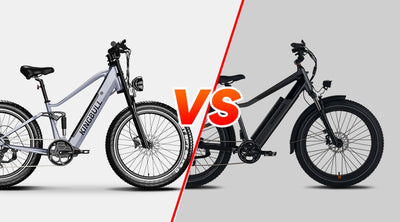
Kingbull Rover vs. Rad Power RadRover 6 Plus: Off-Road E-Bike Showdown
In the vast realm of electric bicycles, the powerful off-road models, Kingbull Rover and Rad Power RadRover 6 Plus, have garnered significant attention. This article delves into a thorough comparison of these two remarkable off-road electric bikes, unveiling their differences in performance, design, and adaptability to various terrains. Which one, Kingbull Rover or RadRover 6 Plus, is better suited for your adventurous needs? Let's explore this showdown between off-road electric bikes.
Performance Overview
Rover
RadRover 6 Plus
Motor
48V 750W Brushless Rear Hub
750W brushless geared hub motor
Battery
48V 17.5Ah Lithium Battery
48V 14Ah Lithium Battery
Speed
Up to 28 mph
Up to 20 mph
Range
Up to 60 miles
25-45 miles per charge (estimate)
Pedal Assist
5 Levels
5 Levels
Brakes
Hydraulic
Hydraulic
Throttle
Half Twist
Half twist
Sensor
Cadence
Cadence
Gears
Shimano 7-Speed
Shimano 7-Speed
Weight
77 lbs
73.4lbs
Payload Capacity
440 lbs
275 lbs
Frame
6061 Aluminum Alloy with Internal Battery
6061 Aluminum Alloy with semi-integrated battery
Wheels
26″ x 4″ CST Fat Tires
Kenda Juggernaut 26" x 4"
Soft-tail
Yes
No
Lights
Front: 48V LED Front Headlight
Rear: Integrated taillight with brake light
Front: Standard Rad Power Bikes LED headlightRear: Integrated taillight with brake light
Display
LCD Colorful Screen with USB
2 LCD displays
Step-Over
Yes
Yes
Price
$1,699.00
$2,099.00
Motor & Battery
The Rover and RadRover electric bikes both feature a 48V 750W brushless rear hub motor. This powerful 750W motor not only provides ample power but also offers riders a range of significant advantages. Firstly, the 750W output power allows both these bikes to excel in off-road environments, effortlessly tackling various terrains and complex road conditions, delivering robust and stable power support.
Importantly, in accordance with the regulations of the U.S. electric bike laws, the 750W motor operates within legal standards, ensuring a safe and compliant riding experience for users. This means riders can fully enjoy the potent electric assistance without concerns about regulatory restrictions. This compliance makes the Rover and RadRover ideal choices for diverse environments and requirements, providing riders with greater freedom and flexibility.
The electric bikes Rover and RadRover are equipped with 48V 17.5Ah lithium batteries and 48V 14Ah lithium batteries, respectively. Both of these battery capacities are sufficient to meet the demands of daily commuting. However, Rover boasts a larger battery capacity, providing more robust power support. The larger battery capacity of the Rover makes it an ideal choice for long-distance rides, catering to riders seeking higher speeds and more powerful assistance. This means that in situations requiring extended travel or greater power reserves, the Rover's battery capacity is better suited. Therefore, if you are a rider pursuing long-distance journeys or a higher-speed experience, the Rover's larger battery capacity may better meet your needs.
Speed & Range
In terms of maximum speed, Rover and RadRover present significant differences. Rover has a top speed of 28 mph, while RadRover has a top speed of 20 mph. This means that Rover offers higher performance in terms of speed compared to RadRover.
Rover's top speed of 28 mph provides riders seeking a faster-paced experience with greater flexibility. This is a notable advantage for users who pursue high-speed riding and the quick coverage of distances, especially in urban commuting or situations where a shorter travel time is desired.
On the other hand, RadRover's top speed of 20 mph is suitable for riders who prioritize comfort and stability. This speed is sufficient for general riding needs, particularly in urban environments. For users who lean towards relaxed riding, enjoy the scenery, or seek a more controlled riding experience, RadRover's speed offers a smooth and comfortable riding experience.
Rover boasts a maximum range of 60 miles, while RadRover offers a maximum range of 45 miles. Undoubtedly, due to Rover's larger battery capacity, it outperforms RadRover in terms of riding range. Providing riders with a longer distance, it is suitable for those seeking long-distance adventures or daily commuting over expansive areas, making it an ideal choice for users with such preferences. Although RadRover has a range of 25-45 miles, it still meets general riding needs. This is suitable for urban commuting or short-distance rides in the surrounding environment. While RadRover's range may be relatively shorter, its versatility lies in providing a comfortable riding experience for everyday use.
Brakes
The Rover and RadRover electric bicycles are both equipped with hydraulic brake systems, bringing forth a range of significant advantages compared to traditional mechanical brakes.
Firstly, hydraulic brakes surpass mechanical brakes in braking performance. The hydraulic brake system transmits force through fluid, providing more precise and reliable braking effects. This design enables riders to easily achieve accurate brake control, ensuring prompt stops when needed. In contrast, mechanical brakes may exhibit less stable braking performance due to factors like friction and cable expansion.
Secondly, hydraulic brakes maintain consistent performance in various weather conditions. Compared to mechanical brakes that may be affected by rainwater or mud, hydraulic brakes offer greater stability, ensuring reliable braking effects in different environments. This advantage makes hydraulic brakes particularly beneficial in unpredictable outdoor conditions.
Additionally, hydraulic brakes typically require less manual operating force, allowing riders to brake more effortlessly. This enhanced responsiveness and reduced hand fatigue make hydraulic brakes excel in long-distance rides or challenging terrains. Overall, hydraulic brakes outperform traditional mechanical brake systems in both performance and user experience.
Throttle
Rover and RadRover, two electric bikes designed for off-road adventures, both feature the Half Twist throttle. This design holds significant advantages in the realm of off-road electric bicycles. The Half Twist throttle allows riders to finely adjust the level of electric assistance, providing a more flexible and responsive control experience.
The operating mechanism of the Half Twist throttle permits riders to precisely control the intensity of electric assistance by making subtle adjustments to the position of their fingers. This nuanced control capability makes it easier for riders to navigate diverse terrains and challenges in complex off-road environments, delivering a more detailed and personalized riding experience.
Furthermore, the design of the Half Twist throttle enables riders to react quickly and adapt to ever-changing off-road conditions. With simple adjustments within the Half Twist range, riders can instantly receive responsive electric assistance, facilitating smoother traversals through mountainous terrain, trails, or other challenging landscapes.
In summary, the utilization of the Half Twist throttle in both Rover and RadRover enhances the precision of control and adaptability in off-road environments, providing riders with a more flexible and personalized riding experience. The intuitive control mechanism adds to the joy of riding, while simultaneously improving overall handling performance, making it easier for riders to adapt to various riding conditions.
Sensor
Both the Rover and RadRover electric bicycles feature cadence sensors, which adjust the level of electric assistance by monitoring the rider's pedal cadence. This design ensures a smoother response of electric assistance, delivering a more natural riding experience. Riders won't need to exert excessive effort during cycling, as the system automatically adjusts assistance based on the frequency of pedal cadence, resulting in smoother acceleration and deceleration. This proves particularly beneficial for long-distance rides and urban commuting. The simplicity and reliability of its design provide riders with a more relaxed and natural electric assistance experience.
Weight & Payload Capacity
Rover and RadRover exhibit some noticeable differences. Rover has a total weight of 77 pounds, with a maximum payload capacity of 440 pounds. In comparison, RadRover is lighter, weighing 73.4 pounds, and has a maximum payload capacity of 275 pounds.
This difference may be influenced by several factors, with one major factor possibly being the design and materials of the frame. Such a design allows Rover to be more stable and reliable when carrying heavier loads or passengers.
Frame
Kingbull Rover and RadRover both feature robust and durable 6061 aluminum alloy frames, highlighting their advantages in lightweight construction and strength. However, they differ in battery layout, with Rover adopting an integrated battery design and RadRover opting for a semi-integrated battery. Rover's integrated battery design seamlessly incorporates the battery into the frame, creating a sleek and stylish appearance. This design not only enhances the overall aesthetics of the bike but also provides better protection for the battery, reducing the risk of damage. The integrated battery layout also helps maintain the traditional look of bicycles, offering users a more discreet and integrated battery solution. In contrast, RadRover's semi-integrated battery design slightly protrudes externally, providing users with easier access for maintenance and battery replacement. This design also, to some extent, reduces the complexity of the frame, making battery maintenance more intuitive. The choice between the two designs depends on users' preferences for appearance and battery usability.
Wheels
The Rover and RadRover 6 Plus both feature wide off-road tires, specifically the 26-inch x 4-inch CST Fat Tires and the Kenda Juggernaut 26-inch x 4-inch, respectively. Firstly, the Rover is equipped with 26-inch x 4-inch CST Fat Tires. This fat tire design offers a larger contact area and better floatation, providing excellent traction across various terrains. CST is a well-known tire manufacturer, recognized for durability and reliability, delivering robust performance for riders. In contrast, the RadRover 6 Plus opts for the Kenda Juggernaut 26-inch x 4-inch tires. Kenda, a leading brand in the tire industry, has gained praise for the Juggernaut series, known for outstanding grip and maneuverability. This tire design aims to deliver superior performance in diverse terrains, offering riders increased stability and control. Both tire selections emphasize providing excellent performance in off-road and challenging terrains. Overall, these two wheel options contribute to the reliable performance of these off-road electric bikes.
Soft-tail
The Rover electric bike features a soft tail design, a relatively uncommon feature in electric bikes. Traditionally, soft tail designs are more commonly found in mountain bikes, aiming to provide a more comfortable riding experience. Rover, by incorporating a soft tail, combines the advantages of traditional bicycles to offer riders a smoother and more comfortable riding sensation. The traditional soft tail design in bicycles effectively reduces the transmission of vibrations and bumps to the rider, thereby enhancing the overall riding comfort. In electric bikes, the soft tail also provides better suspension, mitigating the impact of uneven terrain or rough surfaces on the rider's body.
Drawing inspiration from traditional bicycle design principles, Rover, through the use of a soft tail, creates a more comfortable riding experience for cyclists. This design not only sets Rover apart in the electric bike market but also underscores a commitment to rider comfort. For those seeking a smoother and more enjoyable riding experience, the introduction of a soft tail undoubtedly represents an advantage for Rover.
Price
In terms of performance, the Rover is not inferior to the RadRover; both have strong capabilities and features in the electric bike market. However, in terms of price, the Rover stands out as a cost-effective option. Priced at only $1699, the Rover is notably more affordable compared to the RadRover, which is priced at $2099.
This means that, despite the Rover's performance being on par with the RadRover, its cost-effectiveness makes it the ideal choice for users seeking an outstanding riding experience. Whether in motor performance, battery life, or other key aspects, the Rover can meet the demands for a high-performance electric bike and is presented to riders at a more budget-friendly price.
Conclusion
Taking a comprehensive view, both the Kingbull Rover and RadRover 6 Plus showcase unique features in the electric bike market. Whether it's the powerful 750W motor, compliant electric assist system, superior braking performance, flexible throttle design, or the well-designed suspension system and all-terrain tires, each aspect caters to the diverse needs of riders. The Rover stands out with a larger battery capacity and higher maximum speed, catering to users seeking high performance and long-distance rides. On the other hand, the RadRover, with its lighter design and comfortable speed, suits riders looking for leisure and stability. In the end, regardless of the choice, both bikes offer ideal companionship for rides on city roads or rugged mountain trails.
Read more
Ebike ComparisonPurchase Guide
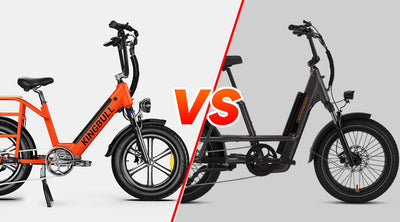
Kingbull Voyager vs. Rad Power RadRunner 3 Plus: Cargo E-Bike Showdown
In the ongoing revolution of urban transportation, cargo electric bikes have become integral in providing users with efficient and environmentally conscious solutions. This mode of transportation not only tackles urban congestion but also underscores the importance of sustainable development. In this article, we will delve into a comparative analysis between the Kingbull Voyager and Rad Power RadRunner 3 Plus, shedding light on these two cargo electric bikes by scrutinizing their design and performance aspects. The objective of this comparison is to empower readers with a comprehensive understanding, aiding them in making well-informed decisions to meet their daily commuting requirements.
Performance Overview
Voyager
RadRunner 3 Plus
Motor
750W
750W
Battery
48V 17.5AH
48V 14AH
Speed
28 MPH
25mph
Range
Up to 60 miles
Up to 45 miles
Pedal Assist
5 Levels
5 Levels
Brakes
Hydraulic
Hydraulic
Throttle
Thumb Throttle
Half twist throttle
Sensor
Speed
Torque
Gears
Shimano 7-Speed
Shimano 7-Speed
Weight
77 lbs
77 lbs
Payload Capacity
440 lbs
350 lbs
Frame
6061 Aluminum Alloy with Internal Battery
6061 Aluminum Alloy with semi-integrated battery
Wheels
20″ x 4″ CST fat tires
20″ x 3.3″ Kenda K905 tires
Light
48V LED Front Headlight,taillight with brake light
LED headlight, taillight with brake light
Price
$1,199
$2,099
By comparing the data in the table, we will conduct a thorough analysis and comparison of the two cargo electric bikes, the Kingbull Voyager and the Rad Power RadRunner 3 Plus. Through these comparisons, we will delve into their key features to assist prospective buyers in making informed decisions, ensuring that consumers choose the electric bike that best suits their needs.
Motor & Battery
Both electric bikes are equipped with powerful 750-watt motors, complying with the regulations of the U.S. electric bike laws to ensure the maximum power is safely achieved. In terms of battery capacity, the Kingbull Voyager stands out. The Voyager has a battery capacity of 48V 17.5Ah. In comparison, the official data for the Rad Power RadRunner 3 Plus indicates a battery capacity ranging from 589-672 Wh, approximately equivalent to 14Ah when converted. While this is still a considerable battery capacity, it may be slightly less than the Voyager's single battery capacity.
It's worth noting that the Kingbull Voyager also offers the option of a dual-battery setup, providing consumers seeking longer range with a more flexible choice. With the dual-battery configuration, the Voyager can achieve a range of up to 100 miles, offering greater convenience for users requiring an extended riding distance. This significant advantage in battery performance positions the Voyager as a suitable choice for riders who prioritize extended range capabilities.
Speed & Range
The Kingbull Voyager boasts a maximum speed of 28mph. According to the regulations of the U.S. bicycle laws, Voyager's speed meets legal standards in many regions and can even provide a higher speed within legal limits. It's essential to adjust the speed according to local bicycle regulations during rides to ensure safety and compliance.
In comparison, the Rad Power RadRunner 3 Plus has a maximum speed of 25mph. While it may not match the speed of the Voyager, considering safety factors, it remains a good choice in many areas.
Regarding the riding range, the Kingbull Voyager offers a maximum range of 60 miles, whereas the Rad Power RadRunner 3 Plus provides 45 miles. Due to the larger battery capacity of the Voyager, there is no doubt that the Voyager excels in the riding range, offering users a longer distance for their rides. This makes the Voyager a superior choice for those seeking longer journeys.
Brakes & Throttle
Voyager and Rad Power RadRunner 3 Plus both feature Hydraulic brakes, highlighting a shared commitment to advanced braking technology. Hydraulic brakes bring several advantages to the table. Firstly, they offer enhanced braking performance with precise control and modulation. The hydraulic system transmits force more efficiently, translating to quicker and more reliable stopping power.
Moreover, hydraulic brakes are known for their consistent performance in various weather conditions. Unlike mechanical brakes that may be affected by cable stretch or environmental factors, hydraulic systems provide reliable braking even in adverse situations, ensuring rider safety.
Additionally, hydraulic brakes typically require less manual effort to operate, contributing to a more comfortable riding experience. The system's responsiveness and reduced hand fatigue make it particularly advantageous during extended rides or in challenging terrains. Click here to learn more about the differences between mechanical brakes and hydraulic brakes.
The focus of comparison now shifts to the throttle systems, with Voyager opting for a thumb throttle, while Rad Power RadRunner 3 Plus employs a half twist throttle. These two designs largely depend on personal preference, and the following will outline the respective advantages of each throttle type.
The advantage of the thumb throttle lies in its convenience of operation. Positioned at the top of the handlebar, riders can easily control the throttle with their thumb without adjusting their grip on the handlebar. This design is particularly popular for long rides as it reduces hand fatigue, enhancing overall riding comfort.
In contrast, the half twist throttle design emphasizes finer control. Typically situated on the side of the handlebar, it controls the throttle by twisting a portion of the handlebar. This design allows riders to have more precise control over acceleration and speed adjustments, suitable for scenarios that demand more flexible control.
In summary, the thumb throttle emphasizes simplicity and comfort in operation, while the half twist throttle focuses on nuanced control, ideal for riders with higher demands for speed adjustments. The choice between these throttle types will depend on individual riding preferences and usage scenarios.
Sensor
Voyager utilizes a speed sensor, while RadRunner 3 Plus employs a torque sensor. The choice between these two designs largely depends on personal preference. The following will outline the advantages of each sensor type.
The advantage of a speed sensor lies in providing riders with a smoother and more natural riding experience. This sensor adjusts the electric bike's power output by monitoring the rider's pedal speed, achieving smoother acceleration and deceleration processes. For riders who appreciate the feel of traditional bicycle riding, the speed sensor offers a more intuitive power control.
In contrast, a torque sensor places more emphasis on the rider's force and exertion. By sensing the rider's pedal force, the torque sensor can more accurately adjust the electric bike's assistance level, achieving a power output that better aligns with the rider's needs. This design is suitable for riders seeking more precise and personalized assistance.
In summary, a speed sensor provides a smooth and intuitive riding experience, while a torque sensor focuses on more precise and personalized force control. The choice between these sensor types will depend on individual riding habits and preferences.
Weight & Payload Capacity
Voyager and RadRunner 3 Plus share the same weight, both weighing in at 77lbs. However, in terms of payload capacity, Voyager has a significant advantage. With a payload capacity of 440lbs, Voyager exceeds Rad Power RadRunner 3 Plus, which supports up to 350lbs. Note: The rear seat of Voyager has a maximum weight capacity of 300lbs.
This difference in payload capacity can be attributed to the construction and design of the frames. Voyager's frame construction is optimized to handle a higher load, ensuring greater durability and stability. Therefore, for riders seeking an electric bike with a higher payload capacity, Voyager presents a more favorable option, providing added versatility and suitability for various cargo and rider configurations.
Frame
Voyager's frame is constructed with 6061 aluminum alloy and features an internal battery design, while RadRunner 3 Plus's frame also utilizes 6061 aluminum alloy with a semi-integrated battery. Although both use the same 6061 aluminum alloy material, the key difference lies in the battery layout.
The primary advantage of the internal battery design is its impact on aesthetics and overall integration. The battery is cleverly embedded within the frame, providing a sleeker appearance without compromising the traditional aesthetics of bicycles. Additionally, the internal battery design offers superior protection for the battery. Being located inside the frame, it is less susceptible to external environmental factors, such as rainwater and dust, compared to external batteries. This helps prolong the battery's lifespan and enhances the overall reliability of the bike in various weather and road conditions.
Voyager's frame adopts an unibody frame design with an elevated rear seat. The advantage of an unibody frame design lies in enhancing the overall stability of the bike. This structure creates a more robust and cohesive riding platform, helping to reduce vibrations and torsion, thereby improving the bike's stability. This is particularly beneficial for riding on various terrains, especially bumpy or uneven surfaces, as it better maintains the stability of the vehicle, providing a more reliable riding experience.
The elevated rear seat design brings additional advantages, primarily in two aspects. Firstly, this design reduces the likelihood of the electric bike tipping over. By raising the rear seat, the inclination angle of the vehicle is minimized, lowering the risk of tipping, especially at low speeds or during stationary moments. Secondly, the elevated rear seat contributes to better maintaining riding balance. This is crucial for maneuvering and overall control, making it easier for riders to handle the vehicle and enhancing the overall safety and comfort of the ride.
Price
Voyager is priced at $1199, while RadRunner 3 Plus is priced at $2099. Undoubtedly, in terms of cost-effectiveness, Voyager holds a clear advantage. Voyager not only leads in terms of pricing but also demonstrates excellent performance. Whether it's motor performance or range, Voyager delivers a satisfying level of capability.
Voyager's design is more user-centric, taking into consideration the needs and comfort of riders. This design focuses on details, enhancing the overall riding experience. In summary, Voyager not only competes strongly in terms of price but also provides riders with a more comprehensive choice in terms of performance and design.
Conclusion
Both Voyager and RadRunner 3 Plus exhibit distinct advantages, making them excellent choices. However, in terms of performance and cost-effectiveness, Voyager stands out. With a more budget-friendly price, Kingbull Voyager offers riders a comprehensive selection, catering to those seeking high performance as well as those prioritizing affordability. Therefore, if you are looking for an electric bike with outstanding performance and reasonable pricing, Voyager is undoubtedly a preferred choice worth considering.
Read more

MaintenanceTips & Cycling Knowledge
Electric Bike Chain Care Guide: Maintenance Secrets for Prolonged Life and Enhanced Performance
When you own an electric bike, maintaining the optimal condition of its chain is crucial. The chain serves as the core of the electric bike's power transmission system, directly impacting the efficiency and smoothness of your ride. However, due to factors such as dust, humidity, and other natural elements encountered during daily rides, the chain is susceptible to contamination and wear. To ensure your electric bike consistently performs at its best, we present a comprehensive guide to chain maintenance and care. From simple cleaning techniques to regular lubrication recommendations, this guide will assist you in ensuring the good health of your electric bike's chain, allowing you to experience enhanced performance during your rides.
Why Chain Maintenance Is Necessary
Linking the need for chain maintenance to the performance and lifespan of an electric bicycle emphasizes the critical role of regular upkeep in maintaining an optimal riding experience. The chain is a fundamental component of the electric bicycle's power transmission system, directly influencing the smoothness of rides and overall performance. Regularly maintaining the chain not only ensures the proper functioning of the mechanical components of the electric bicycle but also significantly extends the overall lifespan of the vehicle. With increasing riding mileage, the chain is susceptible to external environmental factors, dust, and moisture, leading to contamination and wear. Through routine maintenance, we can effectively reduce friction resistance in the chain, improve power transmission efficiency, and thereby enhance the overall performance of the entire bicycle.
Good chain maintenance not only impacts riding comfort and efficiency but also directly contributes to the overall safety of the electric bicycle. In cases where the chain is damaged or significantly worn, it may lead to unexpected failures during rides and potentially harm other components of the transmission system. Therefore, incorporating chain maintenance into a regular maintenance routine is a necessary step to ensure the long-term efficient operation of the electric bicycle, providing riders with a more reliable, smooth, and safe riding experience.
Cleaning Frequency and Steps for the Chain
Cleaning the chain is a crucial step in maintaining an electric bike, directly impacting the smoothness of rides and the lifespan of the chain. Here are more detailed recommendations regarding the frequency and steps for cleaning the chain:
Frequency of Cleaning the Chain
The frequency of cleaning the chain should be determined based on the following factors:
Riding frequency: If you ride frequently, the chain is more exposed to dust, mud, and moisture, requiring more frequent cleaning.
Environmental conditions: Riding on muddy paths or in damp weather makes the chain more susceptible to contamination, necessitating more frequent cleaning.
Seasonal changes: In wet seasons, the chain is more prone to moisture, requiring more regular checks and cleaning.
In general, it is recommended to clean the chain every two weeks to a month. If your riding environment is more challenging, more frequent cleaning may be necessary.
The Steps to Clean the Chain
Cleaning the electric bike chain is a crucial step in maintaining the bike's overall condition. Here is a detailed guide on the steps and techniques for cleaning the chain thoroughly:
Preparation
Prepare Chain Cleaning Tools: If you have specialized chain cleaning tools, fill them with bicycle-specific degreaser. Wrap the tool around the chain following the instructions, ensuring the storage compartment is in the correct position. If you don't have specialized tools, you can use a brush (toothbrush or nail brush) as an alternative.
Pre-select Lubricant: Depending on the riding environment, choose between wet lubricant or dry lubricant to ensure effective lubrication under different conditions.
Removing Oil Stains from the Chain
Apply Degreaser: If using specialized tools, add degreaser to the tool. Then, use your other hand to backpedal, allowing the tool's brush to clean all corners and crevices of the chain while collecting degreaser in the storage compartment.
Use Brush for Cleaning: If you don't have specialized tools, apply degreaser to a brush (toothbrush or nail brush). Keep the brush on the top of the chain and then backpedal. Repeat this process on the bottom of the chain, ensuring you clean the chain links under the drivetrain.
Rinsing the Chain
Wash with Soapy Water: Use soapy water to wash the chain, ensuring the removal of excess degreaser and impurities.
Selecting and Lubricating the Chain
Choose Lubricant: Depending on the riding conditions, choose between wet or dry lubricant.
Apply Lubricant to the Chain: Carefully apply a small drop of lubricant to the top of each section of the chain. Ensure the lubricant aligns precisely with the rollers for optimal lubrication.
Wipe Off Excess Lubricant: Use a cleaning cloth to wipe off any excess lubricant from the chain, ensuring the chain's surface is dry.
Following these steps and techniques will ensure that your electric bike chain stays clean, lubricated, and prolongs its lifespan, enhancing overall riding efficiency and comfort.
Checking and Replacing the Chain
Regularly checking and replacing the chain ensures optimal performance of your bicycle and minimizes the potential impact of chain wear on other components.
Checking the Chain
Check Chain Tension: Ensure the chain tension is moderate. Too loose a chain may lead to chain derailment, while excessive tension can increase wear on gears and the chain.
Inspect Chain Wear: Examine the chain for visible signs of wear, such as elongation of chain links or teeth embedding into chainrings. Excessive wear may necessitate replacement.
Measure Chain Tension: Use a chain tension gauge to measure the tension of the chain. This helps determine if the chain is still within the normal working range.
Observe Chain Deformation: Pay attention to whether the chain is twisted or deformed. Deformation may indicate damage to the chain.
Check Chain Links: Ensure that the chain's connecting links or pins are not loose or missing. Any damaged links may lead to chain failure.
Replacing the Chain
Prepare Tools: Ensure you have the necessary tools, such as a chain breaker, chain quick-link tool, and a wrench.
Remove the Old Chain: Use a chain breaker or chain quick-link tool to remove the old chain from the bicycle.
Measure the New Chain Length: Use the new chain and ensure its length is suitable for your bicycle. You can use a chain breaker to adjust the length.
Install the New Chain: Attach the new chain to the bicycle, ensuring the correct connection of each chain link.
Adjust Chain Tension: According to the bicycle manufacturer's recommendations, adjust the tension of the new chain. Typically, you should maintain the chain slightly slack but not too loose or tight.
Connect the Chain: Use a chain quick-link tool or connecting pin to join the chain.
Lubricate the Chain: After installing the new chain, lubricate it to ensure smooth operation. Choose an appropriate lubricant and apply it to each link of the chain.
Test: After replacing the chain, conduct a brief test ride to ensure everything is functioning correctly.
Conclusion
Maintaining your electric bike's chain is not just about preserving a crucial component; it's a commitment to a smoother, safer, and more enjoyable riding experience. The comprehensive guide provided here, from understanding why chain maintenance is necessary to the intricacies of cleaning, lubricating, and replacing the chain, empowers you to take control of your electric bike's health.
Read more