










Explore News
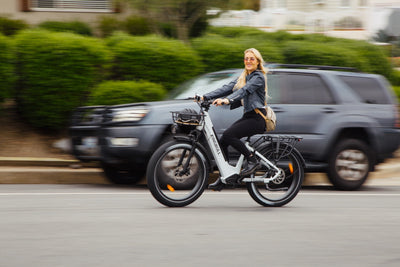
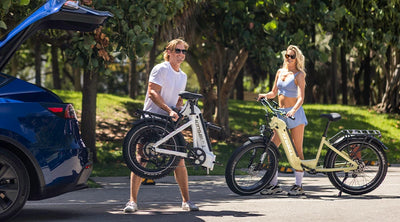
Correct Position, Comfortable Tour-How to Set up A Comfortable Position for Your E-bike
Every cyclist knows that a well-adjusted e-bike leads to a smoother, more enjoyable ride. Since riders come in all shapes and sizes—with different heights, weights, and riding preferences—finding the perfect riding position is essential. A properly fitted e-bike not only enhances comfort but also improves efficiency, reduces fatigue, and prevents strain or injury. To achieve the best riding experience, e-bike riders should carefully adjust key components such as saddle height, handlebar reach, handlebar height, and suspension settings. Each of these adjustments plays a crucial role in ensuring optimal body alignment and control.
Saddle Height
The saddle height is one of the most important adjustments for a comfortable and efficient ride. When your pedal is at the lowest point of its rotation, your leg should have a slight bend (about 25-30 degrees) rather than being fully extended or overly bent. This ensures proper power transfer while reducing strain on your knees. A quick test: sit on the saddle with your heel on the pedal—your leg should be almost straight at the bottom of the stroke. When you switch to riding with the ball of your foot, this slight bend will provide the ideal balance of comfort and pedaling efficiency.
Handlebar Reach
Handlebar reach determines how far you need to stretch to grip the handlebars, affecting both comfort and control. If the reach is too long, you may strain your shoulders and back; if it’s too short, you might feel cramped. The ideal adjustment allows your arms to remain slightly bent when holding the handlebars, keeping your upper body relaxed. This position helps absorb road vibrations and reduces fatigue, making it perfect for long rides. Many e-bikes allow reach adjustments by changing the stem length or sliding the handlebars forward or backward.
Handlebar Height
Handlebar height significantly influences your riding posture, and the best setting depends on your riding style:
For Comfort:
Recreational riders and commuters often prefer a higher handlebar position, which promotes an upright posture. This reduces pressure on the wrists, neck, and lower back, making it ideal for leisurely rides or city cycling.
For Speed:
If you prefer a more aerodynamic and performance-oriented ride, lowering the handlebars can help. Angling your upper body forward (about 45 degrees from the hips) reduces wind resistance and allows for more aggressive pedaling, making it great for fitness-focused or high-speed riding.
Suspension Settings
For e-bikes equipped with suspension, fine-tuning the suspension settings can drastically change the ride feel:
Plush Ride:
If you prioritize comfort—especially on rough or uneven terrain—setting the suspension to utilize its full travel distance will absorb bumps effectively, providing a smoother ride.
Firm & Grounded:
For paved roads or when you want a more responsive, efficient ride, reducing the suspension travel (or increasing the firmness) minimizes energy loss and improves pedaling efficiency.
Conclusion
By taking the time to adjust these key components, e-bike riders can tailor their bikes to their unique needs, ensuring every ride is as comfortable, efficient, and enjoyable as possible. Whether you're cruising through the city or tackling longer adventures, the right setup makes all the difference! Utilize your experience on your bike and enjoy your life cozily!
Read more

Maintenance
The Ultimate Electric Bike Troubleshooting Guide
Discover the secrets to maintaining your electric bicycle with our expert electric bike troubleshooting guide. From diagnosing e-bike power and battery issues to tackling complex electrical and mechanical problems, we'll walk you through step-by-step solutions. Save time and money while gaining a deeper understanding of your e-bike's inner workings for uninterrupted, high-performance rides.
The ability to troubleshoot an electric bike is a valuable skill for any rider. Mastering DIY e-bike repair saves time, money, and the hassle of visiting a bike shop for minor fixes. By gaining a deeper understanding of your bike's mechanics, you can make informed decisions during regular maintenance and ensure your Kingbull e-bike stays in peak condition.
Keep reading to learn how to fix electric bicycle problems step by step. With our professional ebike maintenance tips, you can keep your daily commute or trail journey smooth and uninterrupted.
1. Understanding Common Electric Bike Issues & How to Fix Them
Despite their efficiency and durability, electric bikes can occasionally encounter technical glitches. Below are the most frequent ebike problems, including their symptoms, root causes, and potential DIY solutions.
A. Ebike Power and Battery Problems
Ebike Battery Not Charging or Holding a Charge: If your electric bike battery is failing to charge, first check the battery connections to ensure they’re secure, clean, and free from corrosion. If the physical connections are fine, try charging with a different compatible charger or power source to rule out a faulty adapter. If the battery still won't hold a charge, you may need to inspect the lithium-ion battery cells for signs of damage, swelling, or natural wear.
Sudden Power Loss During Rides: Experiencing a sudden ebike power cut-off can be alarming. First, verify the battery charge level to ensure it hasn't hit the Low Voltage Cut-off (LVC). If the charge is low, switch to a lower pedal assist mode (PAS) or pedal manually to conserve power. If the battery is full but power still cuts out, it may indicate a loose terminal or a thermal protection shutdown in the ebike controller.
Inconsistent or Weak Motor Assistance: If your ebike hub motor feels sluggish, check the battery voltage. Low voltage directly leads to weak performance. You should also examine the motor cables and waterproof connectors for any physical damage. Lastly, review your e-bike display settings to ensure the pedal assist level is set correctly for your terrain.
B. Electrical System and Wiring Fixes
Malfunctioning LCD Display Controls: If your ebike display won't turn on, check the main wiring harness connection. If the connection is tight, try a "system reset" by turning off the bike and disconnecting the battery for several minutes. Look for specific e-bike error codes on the screen, as these provide the fastest way to diagnose an underlying sensor or controller fault.
Loose or Damaged Wiring Connections: Over time, riding vibrations can loosen plugs. Periodically inspect the wiring for frayed insulation or disconnected ports. Damaged wires should be replaced with the correct gauge wire or professionally repaired to prevent a short circuit. If you are uncomfortable with ebike electrical repairs, always seek help from a certified technician.
Lighting and Accessory Issues: For issues with integrated LED lights, check the plugs connecting the light to the main wiring harness. Inspect bulbs for cracks or loose filaments. If the lights still don't work, use a digital multimeter to check if the proper voltage is reaching the component from the controller.
C. Mechanical and Performance Issues
Ebike Braking Problems or Unusual Noise: Squeaking or grinding noises usually indicate worn ebike brake pads or misaligned calipers. Check the pads for thickness and ensure they are aligned with the brake discs. Inspect the brake cables for stretching; a simple adjustment to the barrel adjuster often restores crisp stopping power.
Shifting Difficulties or Chain Slipping: If your gears are skipping, check the derailleur cable tension. Cleaning and lubricating the bike chain and jockey wheels can work wonders for shifting performance. A build-up of grit is the #1 cause of poor mechanical performance in electric bikes.
Unbalanced or Wobbly Wheels: If your ride feels unstable, check the spoke tension. A loose spoke can cause the rim to warp. Also, inspect the tires for punctures or uneven wear and ensure they are inflated to the recommended PSI for maximum grip and safety.
2. Professional E-Bike Troubleshooting Steps: A 3-Phase Plan
To approach electric bicycle repair safely and efficiently, professionals follow a structured diagnostic process.
Phase 1: Preparing for Troubleshooting
Safety Precautions and Equipment: Before you begin, prioritize safety. Wear safety glasses and protective gloves. Arm yourself with an essential e-bike toolkit containing Allen keys, wrenches, pliers, and a digital multimeter for accurate electrical testing.
Familiarize Yourself with the Manual: Your Kingbull owner's manual is your best friend. It contains specific torque specs, wiring diagrams, and unique error code definitions tailored to your specific model.
Phase 2: Basic Inspections
Power Source Integrity: Verify the battery is seated correctly and locked into its cradle. Check terminals for "sparking" marks, dirt, or corrosion.
Battery Health Assessment: Use a multimeter to measure the actual voltage output. Compare these readings to the manufacturer's specifications to determine if your lithium-ion ebike battery is reaching its end-of-life.
Comprehensive Component Check: Inspect tires for cuts, test brake levers for responsiveness, and look for rust on the drivetrain. Regular lubrication of the chain and derailleurs prevents 80% of mechanical failures.
Phase 3: Sourcing and Replacing Components
Electrical Repairs: To fix loose connections, ensure all plugs "click" into place. For damaged connectors, use heat-shrink tubing or premium electrical tape to seal out moisture.
Authentic Component Replacement: If an ebike controller or thumb throttle is confirmed dead through multimeter testing, always source an authentic Kingbull replacement part to ensure compatibility and protect your warranty.
3. Kingbull E-Bike Specific Error Codes & Maintenance
For owners of Kingbull electric bikes, we provide specialized support for common error codes and accessory replacements:
Common Kingbull Error Codes
If your LCD display shows an error code, map it below to troubleshoot instantly:
Error Code
Fault Description
Quick DIY Solution
E034
Motor Communication / Phase Fault
Check the main quick-disconnect motor cable near the rear chainstay. Ensure arrows align and it's fully plugged in.
E037
Throttle Fault / Signal Error
Inspect the throttle wire at the handlebars. Ensure it isn't pinched or disconnected.
🎥 Video Diagnostic Guides
[Watch Now] Kingbull E034 Error Code Fix & Demo Video
[Watch Now] Kingbull E037 Error Code Fix & Demo Video
Kingbull Accessories Installation & Replacement
When upgrading or repairing your Kingbull fat tire ebike, follow these exact video tutorials to complete the job like a pro:
🔧 How to Replace Ebike Brake Pads (Eliminate squeaking and restore stopping power)
🔧 Ebike Speed Sensor Replacement Guide (Fix inconsistent pedal assist issues)
🔧 Adjusting Lever Travel & Brake Sensors (Ensure your motor cut-off switch triggers correctly)
Conclusion: Extending Your E-Bike’s Lifespan
Developing strong electric bike troubleshooting skills is essential for every modern rider. By understanding common issues and staying prepared with the right tools, you can keep your bike performing at its peak for miles to come.
Always consult your Kingbull product manual or visit a local bike store for complex electrical overhauls. By following these preventative ebike maintenance recommendations, you will enjoy a seamless riding experience and significantly extend the life of your electric bike.
Read more
Tips & Cycling Knowledge
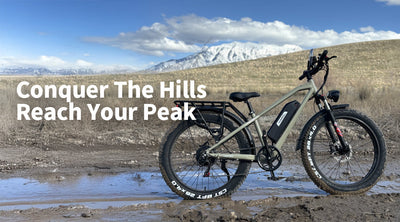
Conquer the Hill, Reach Your Peak——Tips for Climbing Hills on E-Bike
Riding an e-bike is amusing, but most e-bike riders are not satisfied with just riding on the flat and broadened land. They can be fond of crossing through the jungles and climbing up the hills at a thrilling speed. That's what we call "explore and challenge". While e-bikes make climbing easier, there’s still room to boost your efficiency and enjoyment. Read this passage for essential techniques for every ascent!
Gear up to Go up:
Shift Early
Don’t wait until you’re struggling on the hill to shift gears, as this can put unnecessary strain on both your legs and the e-bike’s motor. Instead, anticipate the incline ahead and shift to a lower gear before you start climbing. By doing this, you’ll maintain a smooth and steady cadence, making the climb feel more manageable and efficient. Proper gear shifting not only reduces physical effort but also ensures the motor operates optimally, extending its lifespan and conserving battery power. Planning ahead is the key to a seamless and enjoyable uphill ride!
High Torque Motor
If you’re shopping for an e-bike or considering an upgrade, prioritize one with a high-torque motor. Torque is the force that provides the power needed to tackle steep hills, making climbs feel effortless and smooth. A high-torque motor ensures consistent performance, even on challenging inclines, and reduces the strain on both the rider and the bike. Whether you’re a daily commuter or an adventure seeker, investing in a high-torque motor will transform your uphill riding experience, giving you the confidence to conquer any hill with ease.
Keep the Momentum:
Continuous Pedaling
Continuous pedaling creates a steady flow of power, making the climb smoother and preventing sudden stops or stalls that can disrupt your momentum. By maintaining a rhythmic cadence, you’ll also reduce strain on both the motor and your legs, making the uphill ride feel more manageable. This approach not only enhances efficiency but also extends your battery life, allowing you to tackle longer climbs with confidence and ease.
Minimize Braking
Avoid unnecessary braking while climbing, as it disrupts your momentum and forces you to expend extra energy to regain speed. Each time you brake, you lose the forward motion that helps carry you up the hill, making the climb feel more strenuous. Instead, focus on maintaining a steady and consistent pace throughout the ascent. By doing so, you’ll conserve energy, reduce strain on the motor, and make the climb more efficient. Planning your approach and anticipating the terrain ahead will help you keep a smooth rhythm, ensuring a more enjoyable and effortless uphill ride.
Regulate Your Position:
Lean Forward
Shift your weight slightly forward while climbing to keep the front wheel grounded and improve traction, especially on steeper slopes. This adjustment ensures better grip and stability, preventing the front wheel from lifting and helping you maintain control. Leaning forward also distributes your weight more evenly, enhancing balance and making it easier to navigate challenging inclines. By adopting this position, you’ll reduce the risk of slipping or losing momentum, allowing you to climb more efficiently and confidently. Proper weight distribution is a simple yet effective way to conquer hills with greater ease and safety.
Stay Relaxed
Keep your grip on the handlebars firm but not tense, and consciously relax your shoulders to avoid unnecessary strain. Tension in your upper body wastes energy and can lead to fatigue, making the climb feel more difficult than it needs to be. By staying loose and maintaining a relaxed posture, you’ll conserve strength and endurance, allowing you to tackle the hill more efficiently. A calm and controlled approach not only improves your riding experience but also helps you maintain better balance and control throughout the ascent.
Smart Throttle Use:
Assist But Don't Rely
Use the throttle to give yourself a boost when needed, such as when starting on a steep incline or when you need a quick burst of power. However, avoid relying on it entirely, as this can drain your battery quickly and reduce your overall riding range. Instead, combine throttle assistance with consistent pedaling to maximize efficiency. This balanced approach not only helps conserve battery life but also ensures a smoother and more controlled ride. By working in harmony with your e-bike’s motor, you’ll enjoy longer rides and a more enjoyable climbing experience.
Adjust Power
This setting provides the extra boost you need to tackle steep inclines with ease, reducing the physical effort required from your legs. By increasing the motor’s support, you can maintain a comfortable pace and conserve your energy for longer rides. However, remember to switch back to a lower assistance level on flat terrain to maximize battery efficiency. Using power modes strategically ensures a smoother, more enjoyable ride, whether you’re conquering hills or cruising on flat roads.
Final Thoughts
Climbing hills on an e-bike doesn’t have to be a struggle. By shifting early, maintaining momentum, perfecting your position, and using the throttle smartly, you can make uphill rides feel almost effortless. Remember, it’s all about working with your e-bike’s technology to get the most out of your ride. Do you have any good suggestions for riding bike on hills? Come and share your opinions with us!
Read more
Maintenance
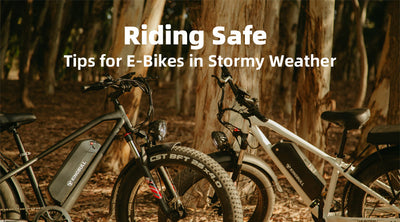
Riding Through the Storm: Ensuring Your E - Bike's Resilience in Inclement Weather
Hey there, fellow e-bike enthusiasts! There's no denying the sheer exhilaration and freedom that our electric bikes bring to our daily lives. However, we all know that Mother Nature can be quite the unpredictable force. Whether it's an unforeseen torrential downpour, a snow-covered landscape, or those bone-chilling winter days, adverse weather conditions can pose significant challenges to our beloved rides. But fear not! With a few well-thought-out strategies and a bit of proactive care, you can safeguard your e-bike and ensure it remains in prime condition, regardless of what the elements throw at you.
1. Shielding the Sensitive Electronics
E-bikes house a variety of delicate electronic components, with the battery and display being particularly vulnerable. These components are the lifeblood of your e-bike, and protecting them is of utmost importance. Investing in high-quality waterproof covers is a fantastic first step. These covers are specifically designed to provide a snug and secure fit, effectively repelling rain and snow. In a pinch, heavy-duty plastic bags can also serve as a makeshift solution. Just make sure to wrap them tightly around the battery and display, sealing off any potential entry points for moisture.
When it comes to storage, always prioritize keeping your e-bike indoors. If that's not possible, look for a well-sheltered area that offers protection from the elements. A covered porch, a garage, or a shed can all be great alternatives. By doing so, you're not only shielding your e-bike from direct exposure to rain and snow but also reducing the risk of damage from wind-blown debris.
2. Maintaining Chain Integrity
The chain of your e-bike is a crucial component that often bears the brunt of bad weather. Rain, snow, and slush can quickly wash away the essential lubricant that keeps the chain running smoothly. Without proper lubrication, the chain becomes prone to rust and accelerated wear, which can ultimately lead to costly repairs or even replacement.
To combat this, it's essential to use a high-quality, water-resistant bike lube on a regular basis. Make it a habit to apply the lube before and after rides, especially if you've been out in wet conditions. After riding in the rain or snow, take a few minutes to thoroughly wipe down the chain with a clean cloth. This helps to remove any dirt, grime, or moisture that may have accumulated. Once the chain is dry, reapply the lube, ensuring that every link is evenly coated. This simple routine will go a long way in extending the lifespan of your chain and maintaining optimal performance.
3. Prioritizing Tire Traction for Safety
In wet, icy, or slippery conditions, the traction of your tires can mean the difference between a safe ride and a dangerous accident. As such, it's vital to pay close attention to the condition of your tires. Start by regularly checking the tread depth. Tires with sufficient tread provide better grip on the road surface, allowing you to maintain control of your e - bike. If you notice that the tread is worn down, it's time to consider replacing the tires.
For an added boost in traction, you can experiment with adjusting the tire pressure. And here's a detailed guide on tire pressure for Kingbull electric bike tires:
Soft Terrain (such as sand or snow): Keep the pressure between 18 and 20 PSI. This lower pressure allows the tires to have a larger contact area with the soft surface, ensuring better traction and comfort. You'll feel more stable when riding on sand dunes or through a snowy path.
Daily City Riding or Paved Roads: Maintain the pressure between 20 and 25 PSI. At this level, the rolling resistance is reduced, which in turn improves the efficiency of your ride. You'll find that your e-bike glides more smoothly on the flat, hard surfaces of city streets.
Heavy Loads or Long-Distance Riding: Keep the pressure between 25 and 30 PSI. Higher pressure in these situations ensures tire stability and durability. Whether you're carrying a heavy cargo or embarking on a long journey, the tires can better withstand the continuous stress.
Special Consideration for Rainy Conditions
When it's raining, proper tire pressure adjustment becomes even more critical.
Lower the tire pressure to increase traction: On slippery wet roads, reducing the tire pressure can increase the contact area between the tires and the ground, enhancing traction and reducing the risk of skidding. However, it's important not to overdo it, as excessive reduction will increase rolling resistance, hampering riding efficiency and potentially damaging the tires.
Refer to the suggestions on the tire sidewall: Each tire's sidewall indicates the recommended tire pressure range, which serves as the fundamental reference.
Adjust according to the actual situation: The intensity of the rain, road slipperiness, and personal riding habits all factor into the optimal tire pressure choice.
Slight pressure reduction: In light rain or when the road surface is slightly slippery, decrease the tire pressure by about 5 - 10%.
Greater pressure reduction: In heavy rain or on extremely slippery roads, you can increase the reduction, but ensure the tires don't deform excessively.
Maintain balance: Keep the front and rear tire pressures balanced to prevent uneven traction.
Precautions:
Avoid excessive pressure reduction: This can lead to increased rolling resistance, reducing your e-bike's battery range and raising the risk of a tire blowout.
Check the tire pressure regularly: After riding in the rain, promptly check the tire pressure to ensure it's within the normal range.
Pay attention to the tire tread pattern: Alongside tire pressure, the tread pattern impacts traction. Opt for tires with good water-drainage capabilities to enhance safety during rainy rides.
4. Secure Storage and Theft Prevention
When your e-bike isn't in use, proper storage is key. Storing it indoors in a dry, climate- controlled area is the best way to protect it from the elements and potential damage. But even when stored indoors, it's important not to let your guard down when it comes to security. Always lock your e-bike, whether it's in your garage, basement, or apartment. A high-quality bike lock can deter would-be thieves and give you peace of mind.
Click here for more tips on how to prevent e-bike theft.
If you have no choice but to store your e-bike outdoors, invest in a durable, weather- resistant bike cover. These covers are designed to withstand harsh weather conditions, protecting your e-bike from rain, snow, sun, and wind. Make sure to choose a cover that fits your e-bike snugly and has additional features like UV protection and reinforced seams for added durability.
5. Cold-Weather Battery Care
Cold weather can have a significant impact on the performance of your e-bike's battery. As the temperature drops, the chemical reactions within the battery slow down, resulting in reduced power output and shorter battery life. To mitigate this, it's crucial to take extra care of your battery during the colder months.
For more tips on protecting your battery in cold weather, click here.
Whenever possible, store your battery indoors in a warm environment. If you're planning to go for a ride in cold weather, bring the battery inside a few hours before you leave. This allows the battery to warm up to a more optimal temperature, which can significantly improve its performance.
6. Regular Cleaning and Thorough Inspections
After braving the elements on your e-bike, it's essential to give it a thorough cleaning. Bad weather often brings with it a host of dirt, salt, and debris that can accumulate on your bike and cause damage over time. Salt, in particular, is highly corrosive and can quickly eat away at metal parts.
When it comes to cleaning, we strongly caution against using a pressure washer on e-bikes. The powerful water jet from a pressure washer not only poses a risk of damaging the electrical connections but can also force water into sensitive areas, such as the motor housing, battery compartment, or other vulnerable parts, potentially causing malfunctions.
Instead, opt for a gentle bike cleaner and a soft brush. Use them to meticulously remove all the grime from your e-bike, with special attention given to hard to-reach areas like the chain, gears, and brakes.
Once your e-bike is clean, conduct a detailed inspection. Check the brakes to ensure they're functioning properly. Test the cables for any signs of fraying or corrosion. Examine the tires for any cuts, punctures, or uneven wear. By catching these issues early on, you can prevent them from turning into more serious problems down the line. Make regular maintenance checks a part of your routine, and your e-bike will continue to serve you well for years to come.
Pro Tips
Consider using a waterproof spray on connectors and exposed metal parts. This provides an extra layer of protection against moisture and corrosion, helping to keep your e-bike's electrical system and metal components in top shape.
When storing your e-bike for an extended period, such as during the off-season, it's a good idea to remove the battery and store it separately in a temperature-controlled area. This helps to prevent the battery from discharging and extends its overall lifespan.
Stay Safe Out There!
Riding in bad weather requires extra caution. Slow down and give yourself plenty of time to react to any unexpected situations. Wear appropriate gear to keep yourself safe and comfortable. A well-fitting helmet is a must, along with a waterproof rain jacket and gloves to keep you dry and warm.
Before you head out, take a few minutes to check the weather forecast. If the conditions are too extreme, it may be best to postpone your ride. Remember, your safety should always be your top priority.
By following these comprehensive tips, you can not only protect your e-bike from the ravages of bad weather but also continue to enjoy the thrill of riding, no matter what Mother Nature has in store. So gear up, take care of your e-bike, and hit the road with confidence, rain or shine!
Read more
Tips & Cycling Knowledge
How Often Should You Replace Your Electric Bike Tires? A Key to Safe Riding
Electric bikes (e-bikes) have become an increasingly popular and efficient means of transportation due to their convenience and eco-friendly nature. However, many riders tend to overlook the maintenance and replacement of e-bike tires, even though they are a critical component for safety and performance. So, how often should you replace your e-bike tires? In this post, we’ll explore tire replacement guidelines, the factors affecting tire lifespan, and essential maintenance tips to ensure your safety while riding.
Factors That Affect E-Bike Tire Lifespan
The lifespan of your e-bike tires depends on several factors, including the following:
Riding Frequency and Terrain: Frequent riding or riding on rough terrains accelerates tire wear. Tires wear out much faster when used on sandy, muddy, or mountain roads.
Tire Quality: Tires from different brands and models vary in quality, durability, and lifespan. Choosing high-quality tires might involve a higher upfront cost but will reduce the need for frequent replacements.
Tire Pressure: Maintaining the right tire pressure is crucial. Both underinflation and overinflation can cause tires to wear out more quickly and increase the risk of blowouts.
Riding Habits: Hard braking, sharp turns, and other aggressive riding habits can also accelerate tire wear.
Environmental Factors: Prolonged exposure to sunlight and rain can affect the rubber, causing it to degrade and crack over time.
How to Know When Your E-Bike Tires Need Replacing
In addition to tracking the age and mileage of your tires, you can assess whether your tires need replacing by checking the following:
Tread Wear: Inspect the tread pattern. If the tread has worn down to the wear markers (usually 1.6mm or less), it’s time to replace the tire.
Aging: Check for visible cracks, bulges, or hardening on the sidewalls of the tire. These are signs of aging, and a tire in this condition should be replaced to avoid safety risks.
Damage: If your tire is punctured, cut, or frequently losing air, or if you notice it pulling to one side, it’s time for a replacement.
Recommended Tire Replacement Cycle for E-Bikes
Depending on how and where you ride, the recommended replacement cycle for your e-bike tires can vary. Here’s a general guideline:
Regular Use: If you mostly ride on city streets with good riding habits, it’s recommended to check your tires every 2-3 years for wear and aging. If the tread is noticeably worn or the tire is showing signs of aging, replace it.
Frequent Use or Harsh Terrain: If you ride frequently or on rough terrain, such as mountain trails or sandy paths, consider replacing your tires every year or two. Harsh conditions accelerate wear and tear.
Routine Inspections: Every six months, check your tire pressure, tread wear, and sidewall condition. Clean any debris, such as stones or nails, from the tread to prevent punctures.
Daily Tire Maintenance Tips
To extend the lifespan of your e-bike tires, proper care and maintenance are essential. Here are some maintenance tips:
Maintain Proper Tire Pressure: Check your tire pressure regularly and make sure it falls within the manufacturer’s recommended range. Both overinflation and underinflation can accelerate tire wear.
Avoid Aggressive Riding: Minimize hard braking and sharp turns to reduce the stress on your tires and prolong their lifespan.
Avoid Harsh Terrains: While some high-quality tires can handle rough terrain, prolonged use on dirt, sand, or muddy surfaces will wear them down faster. Avoid riding on these surfaces when possible.
Regular Cleaning: Periodically clean your tires, removing debris like stones, glass, or nails that can damage the tire and cause punctures.
CST 4.0 Fat Tires: Features and Replacement Mileage Guidelines
For riders who prefer to take on more challenging terrains, CST 4.0 Fat Tires offer a great option. Kingbull electric bikes are powered by the well-known brand CST 4.0 fat tires, CST fat tires have become the choice of American consumers because of their reliable performance. With their wider tread, these tires provide excellent grip and stability on soft or uneven surfaces like sand, snow, and mud. The lifespan of these tires can vary depending on riding conditions, riding habits, and the environment. Here’s an approximate replacement mileage for CST 4.0 Fat Tires:
Ideal Conditions (flat asphalt, good riding habits): 2,500-3,750 miles (4,000-6,000 km)
General Conditions (city roads, occasional rough terrain): 1,800-3,100 miles (3,000-5,000 km)
Harsh Conditions (mountain, sand, frequent off-road use): 1,200-2,500 miles (2,000-4,000 km)
Keep in mind that these are just rough estimates. The actual replacement timeline should depend on factors such as tread wear, aging, and how you ride. Regular inspections are key to maintaining safety.
Conclusion
Your e-bike tires are a crucial element in ensuring safe and comfortable riding. Regular checks and timely replacements are necessary to keep your bike performing at its best and to reduce the risk of accidents. By following the guidelines above, you’ll be able to keep track of when your tires need replacing and maintain their longevity.
IRemember to adjust and replace your e-bike tires according to the actual situation, and always keep an eye on the wear and aging of your tires. Safe riding starts with quality tires!
Read more
Maintenance
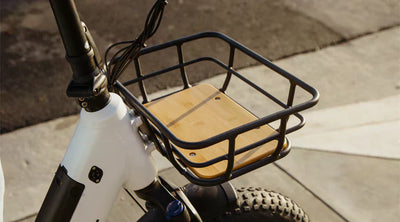
How to Install a Front Basket on Your Bike – A Step-by-Step Guide
Adding a front basket to your bike is a great way to increase its practicality, whether you’re commuting, running errands, or just enjoying a leisurely ride. A well-installed basket provides convenient storage without compromising the bike’s stability. In this guide, we’ll walk you through the step-by-step process of installing a front basket, including repositioning the front light for a seamless fit.
Step 1: Remove the Front Light
Remove the original front light to make room for the front basket installation.
Step 2: Attach the Front Basket
Align the holes of the front basket with the reserved mounting holes on the bike frame, then secure it using washers and screws.
Step 3: Install the Bracket
Install the new bracket in the designated slot at the front of the basket. Pay attention to the bracket's installation direction.
Step 4: Reinstall the Front Light
Remove the original front light bracket and install the front light onto the new bracket. After installation, reconnect the wiring to complete the setup.
Final Thoughts
With your front basket properly installed, your bike is now more functional and stylish! Whether you're carrying groceries, a backpack, or other essentials, this upgrade will make your rides more convenient. Happy cycling!
Read more


