











Explore News
Tips & Cycling Knowledge
Who Let the Dogs Out-How to Ride with Your Furry Friends?
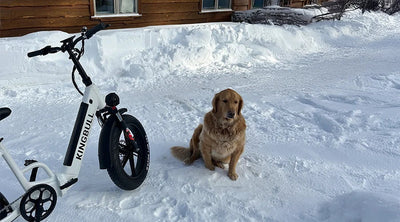
While we are rushing out for fresh air on our e-bike, our furry puppies are also eager to go out with us, running freely on the grassland and exploring the melting town, especially in this warm and blooming season. It is a good idea to ride along with your lovely pet dogs, but how can we and our furry friends enjoy the leisure outdoor time together? Here are some tips for you.
Train Your Dog First & Start Slow
Dogs aren’t born knowing how to jog beside an e-bike—patience is key! Begin with short, slow rides to let your dog adjust to the rhythm of running alongside you.
Warm up walk first
Before hopping on your e-bike, begin with a short warm-up walk. Attach your dog’s leash and walk beside you, keeping it rolled slowly by your side. This helps your dog associate the bike with calm, positive experiences while learning to stay focused on your movements. Use a relaxed leash to avoid tension, and let them sniff or explore briefly to ease nerves. Reward steady pacing with treats or praise, reinforcing that the bike isn’t a threat. This simple ritual builds trust and familiarity, ensuring smoother rides ahead!
Gradual Acceleration
Begin pedaling at a slow, walking pace to match your dog’s natural rhythm. As they grow comfortable running alongside the bike, gradually increase your speed in small increments. Watch for signs of confidence, like steady pacing and relaxed body language, and avoid sudden bursts of speed. This step-by-step approach helps your dog build stamina and trust, ensuring a safe and enjoyable biking experience for both of you.
Pick The Right Gear
Safety gear isn’t just for humans! The right equipment keeps your dog secure and comfortable during rides.
Bike Attachments
Choosing the right bike attachment is essential for a safe and enjoyable ride. For medium to large dogs, opt for a hands-free leash, such as a spring-loaded “bike tow leash,” which absorbs shock and keeps your dog at a safe distance from the wheels. For smaller dogs, consider a secure front/back basket or trailer designed for pets, ensuring they’re comfortably seated and protected. Always test the attachment at home first to ensure your dog feels safe and the equipment is stable before hitting the road
Hydration on the Go
Hydration is crucial during biking adventures. Carry a lightweight, collapsible water bowl and a bottle of fresh water for your dog. Offer frequent breaks, particularly on warm days, to prevent overheating. Watch for signs of dehydration, like excessive panting, and let your dog drink small amounts regularly. Staying hydrated keeps your pup energized and ready for the next leg of the journey!
Know Your Dog’s Limit
Not every dog is built for marathon e-biking sessions. Respect their physical and mental limits to keep adventures enjoyable.
Watch for fatigue
Always monitor your dog for signs of fatigue during your ride. Heavy panting, slowing down, lagging behind, or suddenly lying down are clear indicators that it’s time to stop and rest. Overexertion can lead to heatstroke or injury, so take breaks in shaded areas and offer water. Pay attention to your dog’s energy levels and adjust the ride length or intensity to ensure they stay happy, healthy, and ready for more adventures.
Awareness of Weather
Weather awareness is critical when biking with your dog. Avoid riding in extreme heat or cold, as dogs are more vulnerable to temperature changes. In summer, opt for early mornings or evenings when it’s cooler, and stick to shaded trails to prevent overheating. In winter, protect their paws from icy surfaces. Always check the forecast and prioritize your dog’s comfort and safety to ensure a fun, stress-free adventure.
Conclusion
Cycling with your dog on e-bike isn’t just about exercise—it’s about teamwork, trust, and shared joy. By starting slow, using the right gear, and respecting your pup’s needs, you’ll turn every ride into a wagging-tail adventure. Kingbull bike is such a great fellow with you and your pet dogs, so grab that leash, pump those tires, and let the good times roll! Take some photos to reminisce these unforgettable moments and share your stories with us!
Read more
Kingbull News
Shining Bright: Saluting the Diversity and Resilience of Our Members!
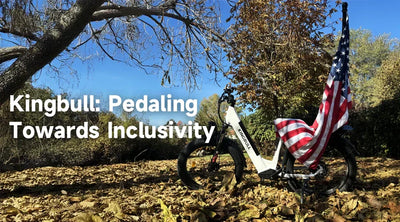
At Kingbull, we hold a profound belief in the transformative power of movement. It's the force that enables us to venture into new horizons, form meaningful connections, and truly flourish. However, we deeply realize that the journey of life doesn't present an equal starting line for everyone. This realization has inspired us, today, to extend our most sincere gratitude and unwavering support to the rich tapestry of individuals who breathe life into our communities.
We deeply admire military personnel, from veterans with distinguished service records to those bravely serving on the frontlines today. Their unwavering dedication to protecting our freedoms exemplifies true heroism. Equally inspiring is the resilience of individuals with disabilities. Despite facing daily challenges, their indomitable spirit remains unshaken. The passion and boundless drive of students, tirelessly shaping the future, deserve our utmost respect. We also celebrate the tireless and selfless efforts of volunteers, whose generosity in giving their time and energy makes the world a kinder, better place.
These extraordinary groups embody the strength and diversity that bring vitality to our communities. They represent resilience, compassion, and unwavering dedication. At Kingbull, we believe everyone deserves the opportunity to experience the joy and freedom of riding an electric bike. To honor your incredible resilience, service, and commitment, we are thrilled to offer you exclusive discounts on our e-bikes. It’s our way of saying thank you and making the thrill of riding more accessible to you.
How to Obtain Exclusive Discounts?
At Kingbull, we’re excited to welcome students, veterans (active or retired), volunteers, and individuals with disabilities to experience the unique joy of riding our e-bikes. Here’s how you can claim your exclusive discount:
1. Reach Out: Send an email to customers@kingbullbike.com with the subject line “Kingbull Community Discount.”
2. Submit Documentation: Attach a clear, legible copy of valid identification or relevant paperwork that confirms your eligibility. Accepted documents include:
• A current student ID
• Military ID or official discharge papers
• Volunteer organization membership card
• Disability identification card
3. Verification Process: Our dedicated team will carefully review your documentation to confirm eligibility.
4. Receive Your Discount: Once verified, we’ll promptly send you a unique discount code to apply when purchasing your Kingbull e-bike.
We look forward to making your riding experience more accessible and enjoyable!
A Sincere Thank You for Enriching the Kingbull Community!
At Kingbull, our electric bikes are meticulously crafted to empower you to explore your world with unparalleled ease and confidence. Whether navigating your daily commute, gliding through bustling city streets, or embarking on scenic trail adventures, our e-bikes deliver a seamless, comfortable, and sustainable journey.
We're more than just a brand; we're a community.
We're dedicated to building a welcoming community, fostering inclusivity with every journey. We're grateful to serve such inspiring individuals, and this initiative aims to make Kingbull e-bikes accessible to all, unlocking the joy of riding.
To foster deeper connections and stay abreast of the latest updates, we encourage you to join our official Facebook community. Here, you'll have the chance to engage in exclusive events, interact with like minded riders, share your unique biking experiences, pose questions, and receive support from a community of passionate enthusiasts.
We thank you for being an integral part of the Kingbull family. May every ride bring you joy!
Read more

Purchase Guide
750 Watts of Power: Everything You Need to Know About Electric Bikes
When it comes to electric bikes, power is everything. Sometimes, the more power, the better. That’s where the 750-watt motor comes in—a sweet spot for riders looking for the perfect balance between thrilling performance and practical everyday usability.
This power level isn’t just a number on a spec sheet; it’s the force behind some of our most popular high-performance models, including the Literider, Discover, Discover ST, and Hunter 2.0. These e-bikes aren’t just transportation—they’re powerful machines on wheels, engineered to take your riding experience to the next level.
⚡ Wattage 101: What Does 750 Watts Really Mean?
In the world of e-bikes, wattage measures the power output of the motor, which directly impacts top speed, acceleration, and how easily your bike handles challenging terrains.
But what exactly does 750 watts mean for your daily ride? Simply put:
Legal Limit & Street Compliance: In most U.S. states, 750W is the maximum legal motor rating permitted for Class 1, Class 2, and Class 3 e-bikes on public roads and multi-use paths without requiring a license or DMV registration.
Balanced Performance: A 750W motor delivers rapid speed and high-torque performance without sacrificing battery efficiency or exceeding regional e-bike regulations.
It’s the ultimate power benchmark for adventure seekers and daily commuters who want to push boundaries while staying completely road-legal.
🚀 Unleashing the Power: How a 750W Motor Enhances Your Ride
Upgrading to a 750W e-bike motor transforms your ride in ways that go far beyond basic cruising speed:
Rapid Speed & Acceleration: Strap on your helmet and get ready for an adrenaline rush. With a 750W motor, your e-bike delivers instant torque and swift off-the-line acceleration, making city commutes and weekend getaways more exciting than ever.
Exceptional Hill-Climbing Ability: Hills? What hills? The massive torque output of a 750W motor provides the extra push needed to tackle steep inclines and tough grades effortlessly. No matter how rugged the terrain, you’ll conquer it with confidence.
Superior Carrying & Payload Capacity: Whether you’re hauling heavy groceries, camping gear, or extra cargo, a 750W motor ensures you won’t feel weighed down. Power meets practicality, allowing you to maintain smooth handling and speed even under a full load.
🏆 750W Powerhouses: The Best E-Bikes for the Job
From urban commuting to rugged off-road exploration, every 750W Kingbull model is designed to give you the ideal mix of power, durability, and ride comfort. Let’s take a closer look at our top picks:
1. Literider — All-Terrain Versatility & Power
Designed to handle everything from city streets to rugged trails, the Literider delivers a smooth yet powerful ride. Its 750W motor isn’t just about brute force—it’s about intelligent efficiency, seamlessly adapting to sharp turns, steep climbs, and rapid descents.
Cargo Ready: Got extra cargo? No worries! The Literider’s robust motor keeps you moving at full speed, whether you're carrying camping gear, groceries, or daily essentials. It’s living proof that power and versatility go hand in hand.
2. Discover ST — Effortless Daily Commuting
The Discover ST features a step-through frame paired with a 750W motor that makes daily commuting an absolute breeze. Stop-and-go city traffic? No problem. Unexpected detours? Bring them on.
Long-Distance Efficiency: With impressive battery range and reliable motor output, this e-bike ensures you reach your destination smoothly—without constantly hunting for a charging station. Whether darting through downtown or cruising along suburban roads, the Discover ST offers the perfect blend of speed, comfort, and efficiency.
3. Discover — Built for Hauling, Designed for Comfort
Need a heavy-duty electric bike that can carry it all? The Discover’s high-torque 750W motor is engineered to handle heavy payloads with total ease.
Uncompromising Stability: Whether heading out for a family ride, picking up weekly groceries, or embarking on a long weekend adventure, this bike has the muscle to keep you moving effortlessly. No matter how much gear you pack, the Discover maintains smooth acceleration and rock-solid stability.
4. Hunter 2.0 — Conquer Any Off-Road Terrain
Ready to push your riding limits? The Hunter 2.0 is an all-terrain beast built to dominate the toughest landscapes. Equipped with a high-torque 750W motor, it makes light work of steep mountain inclines and rough backcountry trails.
Off-Road Traction: Outdoor adventure seekers will love the Hunter 2.0’s ability to handle off-road conditions. Wide fat tires provide maximum traction and shock absorption, giving you total stability to explore new dirt paths and rough terrain head-on.
📊 Quick Model Comparison: Finding Your 750W Match
Kingbull 750W Model
Key Strengths
Ideal Riding Style
Literider
Versatile, efficient, all-terrain adaptable
Multi-surface commuters & weekend explorers
Discover ST
Easy step-through frame, commute-ready
Urban commuters & urban comfort seekers
Discover
Heavy cargo capacity, high stability
Cargo haulers, grocery runs & family rides
Hunter 2.0
High torque, rugged fat tire traction
Off-road trails, steep hills & rugged terrain
🚲 The Power to Ride Your Way
A 750W electric bike motor gives you the extra boost you never knew you needed. Whether navigating busy city streets, embarking on a weekend trail adventure, or hauling heavy cargo, this power level ensures you’re ready for anything the road—or trail—throws your way.
So, which ride is right for you? Think about your primary riding goals—daily commutes, off-road thrills, or heavy-duty transport—then let the unmatched power of 750 watts guide you to your perfect Kingbull model.
👉 Your next great ride is just a pedal away!
Read more
Tips & Cycling Knowledge
Ride into a New Season : Top E-Bike Routes for Spring Riding
As winter's chill fades and nature bursts into life, there's no better way to embrace spring than on an electric bike. E-bikes open up a world of possibilities, allowing riders of all fitness levels to conquer hills, cover greater distances, and truly immerse themselves in the season's beauty. Here are some fantastic spring e-bike routes to inspire your next adventure:
1. Coastal Bliss in California
Route: Santa Monica to Malibu (22 miles round trip)
Why it's great: Feel the ocean breeze as you cruise along the iconic Pacific Coast Highway. Stop at scenic overlooks, spot dolphins, and enjoy fresh seafood at Malibu's charming restaurants. The e-bike's assist makes tackling any inclines a breeze, leaving you free to soak in the stunning views.
2. Blooming Meadows in Washington
Route: Skagit Valley Tulip Fields (Various routes available)
Why it's great: Witness a breathtaking explosion of color as millions of tulips paint the landscape in vibrant hues. E-bikes allow you to effortlessly explore the vast fields, stopping to capture photos and revel in the floral spectacle.
3. Historic Charm in Virginia
Route: Virginia Creeper Trail (34 miles)
Why it's great: This scenic rail-trail winds through lush forests, charming towns, and historic trestle bridges. The gentle grade makes it perfect for a leisurely e-bike ride, allowing you to fully appreciate the area's natural beauty and rich history.
4. Urban Escape in New York City
Route: Central Park Loop (6.1 miles)
Why it's great: Experience the heart of NYC in a whole new way. Glide past iconic landmarks, serene lakes, and vibrant gardens, all while enjoying the convenience and ease of an e-bike. It's the perfect way to escape the city's hustle and bustle without leaving its limits.
5. Mountain Majesty in Montana
Route: Going-to-the-Sun Road, Glacier National Park (32 miles round trip)
Why it's great: Experience the awe-inspiring grandeur of Glacier National Park on this iconic route. While the full road may not be fully open in early spring, e-bikes allow you to access sections closed to cars, offering breathtaking views of snow-capped peaks, cascading waterfalls, and alpine meadows.
Tips for Spring E-Biking:
Layer up: Spring weather can be unpredictable, so dress in layers to adjust to changing temperatures.
Check trail conditions: Some routes may have closures or restrictions in early spring, so plan ahead.
Charge your battery: Cooler temperatures can affect battery life, so ensure your e-bike is fully charged before heading out.
Respect nature: Stay on designated trails, avoid disturbing wildlife, and pack out all trash.
Conclusion
Spring is a wonderful time point to embrace nature after a long period of staying at home with its combination of exercise, fresh air, and stunning scenery, it is a good chance to explore the world on an e-bike. So, grab your helmet, charge your battery, and get ready for an unforgettable adventure! During these weeks, there is Women's Day Sales for Kingbull bikes! Let's get some spring energy to get a new start of 2025!
Read more
Purchase Guide
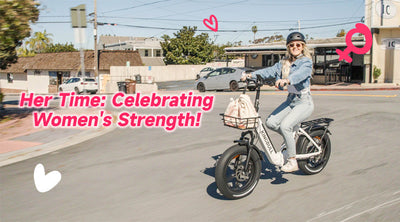
Spring into Freedom: Women's Day Electric Bike Adventures
As spring blooms and the world comes back to life, Women’s Day is just around the corner. It’s the perfect time to celebrate the strength, beauty, and kindness of women everywhere. International Women's Day is not just a celebration of women; it’s a symbol of the rising power and independence of women across the globe. On this meaningful day, a gift that is both practical and symbolic of freedom and independence is the best way to show respect and care for the women in our lives. An electric bike, as an eco-friendly, healthy, and liberating mode of transportation, perfectly embodies the modern woman’s pursuit of independence and breaking free from constraints. Let’s show our appreciation with a heartfelt gift and let love and gratitude fill the air this season.
1. Freedom and Independence: Riding Towards Self-Determination
In the hustle-bustle of urban life, where traffic congestion seems to be a never-ending battle, electric bikes emerge as a liberating solution for women. Whether it's a quick dash to the office, a leisurely exploration of the city's vibrant streets for shopping sprees or simply unwinding, these bikes offer an unparalleled sense of freedom. They allow women to navigate through the chaos with ease, bypassing traffic jams and taking control of their own schedules.
Each pedal stroke on an electric bike is a step towards self-determination. Just as women are constantly challenging boundaries and forging their own paths in society, riding an electric bike gives them the power to move at their own pace, on their own terms. It's a tangible representation of the freedom that women have fought for and continue to embrace.
2. Health and Vitality: Cycling Towards a Fuller Life
Modern women are masters of multitasking, deftly handling the demands of work and personal life. Amidst this juggling act, maintaining good health often takes a backseat. However, an electric bike presents the perfect opportunity to change that. Cycling is a full-body workout that boosts cardiovascular health, builds strength, and enhances overall well-being.
In the midst of busy days, carving out time for a bike ride becomes a rejuvenating escape. It's a chance to decompress, clear the mind, and recharge the batteries. To cherish the women in our lives, encourage the women in your life to embark on a journey of health and vitality by embracing the joy of cycling. It's not just about physical fitness; it's about finding balance and rediscovering the energy to live life to the fullest.
3. Sustainability and Eco-Friendliness: Women Leading the Green Revolution
In an era where environmental consciousness is more crucial than ever, women are at the forefront of the green movement. Electric bikes are a prime example of sustainable living. With zero emissions and minimal energy consumption, they offer a clean and efficient way to get around.
Imagine women gliding through the city, along scenic riversides, or through peaceful wooded trails on their electric bikes, breathing in the fresh air and enjoying the beauty of nature while simultaneously reducing their carbon footprint. In the spirit of Women's Day, inspire the women you know to be part of the solution by choosing an electric bike as their preferred mode of transportation. It's a small step that can have a big impact on the planet.
4. Exploration and Adventure: Unleashing the Explorer Within
The world is full of wonders waiting to be discovered, and an electric bike is the perfect companion for women with a sense of adventure. Whether it's exploring the hidden gems of a new city or venturing into the great outdoors, every ride is a new opportunity to embrace the unknown.
Electric bikes give women the freedom to go off the beaten path, to stop and soak in the sights and sounds whenever they please. In celebration of female strength, encourage the women in your life to embrace their adventurous spirit and set out on new journeys, exploring places they've never been before and creating memories that will last a lifetime.
5. Style and Personality: Expressing Yourself on Two Wheels
An electric bike is far more than a basic means of transportation; it's a vibrant reflection of one's style and character. Among the diverse range of e-bikes available, the LiteRider, a folding e-bike, and the Hunter 2.0, a mountain e-bike, stand out, each catering to distinct preferences and lifestyles of women.
The LiteRider is an absolute gem for those with an active urban lifestyle. Ideal for both commuting and adding a dash of outdoor fun, it comes with the remarkable feature of easy folding. With just a few simple folding steps, you can neatly stow it away in your car trunk, ready for your next adventure, or tuck it into a corner of your office. True to its name, the LiteRider is lightweight, offering unparalleled convenience and portability. It's powered by a substantial 720Wh battery and a robust 750W motor, capable of reaching an impressive maximum range of up to 50 miles, firmly placing it at the forefront of urban commuter e-bikes. Safety is never compromised, thanks to its reliable hydraulic disc brakes and wide 20" fat tires. Moreover, the hydraulic front suspension, with an 80mm travel, ensures a supremely comfortable ride, whether you're zipping through city streets or taking a short nature detour.
On the other hand, the Hunter 2.0 is a dream come true for outdoor enthusiasts. Engineered specifically for outdoor escapades, it shines with stable performance on rugged off-road trails, within thick forests, and across vast open fields. Adorned with 26" all-terrain tires, it's powered by a 750W brushless hub motor, enabling an efficient journey with a range of up to 55 miles. The front suspension plays a crucial role in providing a smooth and enjoyable ride even on the most uneven terrains. The added rear rack not only enhances its practicality for carrying essential gear but also makes it the ultimate companion for women who love to explore the great outdoors and seek thrilling adventures. This Women's Day, help the special women in your life find their ideal electric bike. It could be the LiteRider, which is friendly to urban life and convenient, or the Hunter, which is well-prepared for adventures. By doing so, they can effortlessly flaunt their individuality as they navigate through the various chapters of their lives.
6. Women's Day Special: Embrace the Freedom of Electric Biking
During our Women's Day promotion, we're excited to offer an exclusive deal that celebrates the freedom and independence that electric bikes represent. Purchase one of our premium LiteRider or Hunter 2.0 electric bikes and enjoy a $50 discount. If you're looking to share the joy of electric biking with a friend or loved one, buy two and save a whopping $200! These bikes are not just a purchase; they're an investment in a lifestyle of freedom, health, and sustainability. Don't miss out on this limited-time opportunity to embrace the future of transportation and celebrate the amazing women in your life.
Conclusion
An electric bike transcends the role of a mere conveyance. It serves as a vessel for self-exploration, a wellspring of joy, and a conduit connecting us to the world at large. This Women's Day, unlock new opportunities and celebrate the limitless possibilities for women with the liberating experience of electric biking. As women pedal forward, an electric bike can be their steadfast ally on the path to a future brimming with health, happiness, and independence. Be it for work commutes, adventures in new locales, or simply relishing the outdoors, it stands as a reliable companion. On this special day, honor the women who inspire, support, and enhance our world. Acknowledge their strength, resilience, and unwavering spirit. Encourage them to embrace the liberating experience of riding an electric bike on the open road.
Read more
Maintenance
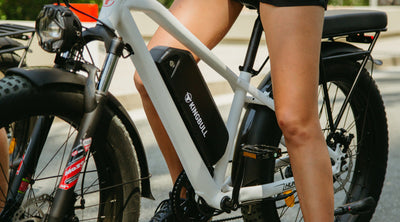
Kingbull Electric Bike Tire Assembly Guide: Ride Safer and More Comfortably!
Hey Kingbull Electric Bike Riders! We're so stoked you're part of the Kingbull family! Your wheels are your connection to the road, so keeping them in top shape is key for a safe and awesome ride. That's why we've put together this guide to walk you through tire assembly and maintenance. Let's keep those wheels turning!
Why Choose Kingbull Electric Bikes?
Kingbull is committed to providing users with high-quality, high-performance electric bikes. Our e-bikes are not only stylish and performant, but also meticulously crafted in every detail. For example, our wheels:
Use Schrader Valves: Schrader valves are sturdy, durable, and provide a good seal, making inflation easier and preventing air leakage.
Offer a Variety of Specifications: We offer a wide range of sizes and specifications including 20-inch and 26-inch CST fat tires to meet different models and riding needs, ensuring you can find the best tire for you.
Recommended Tire Pressure: Based on the characteristics of Kingbull electric bikes, we recommend a tire pressure range of 25-30 psi. This ensures both riding comfort and tire wear resistance.
Preparation
Before starting the assembly, make sure you have the following tools and materials ready:
New tires (make sure they match your Kingbull electric bike model)
Wheel rims
Hand pump or air compressor
Wrench (choose the size according to your e-bike's wheel hub nuts)
Jack (if you need to lift the e-bike)
Tire levers (may be needed to remove old tires)
Gloves (optional, to keep your hands clean)
Assembly Steps
1. Removing Old Tire (if replacing)
If you are replacing tire, you first need to remove the wheel.
Use a wrench to loosen the wheel hub nuts.
If you need to lift the e-bike, you can use a jack.
Carefully remove the old tire from the wheel.
2. Inspecting the Rims
Check the Wheel for damage or deformation.
Clean the Wheel to ensure there is no debris.
3. Installing New Tire
Insert the valve stem of the new tire into the valve hole of the Wheel. Most Kingbull electric bikes use Schrader valves, so please pay attention to the distinction.
Attach the tire bead to the wheel hub.
Make sure the tire is fully seated on the Wheel.
4. Inflating
Use a hand pump or air compressor to inflate the tire to the appropriate pressure. For Kingbull electric bikes, we recommend inflating the tires to 25-30 psi. You can press the tire with your hand to feel the inflation, the tire should not be easily deformed by pressing.
Be careful not to overinflate, as this may cause the tire to burst.
The tire pressure value can usually be found on the tire sidewall.
5. Installing the Wheel
Install the wheel on the e-bike.
Use a wrench to tighten the wheel hub nuts.
Make sure the wheel is securely installed.
Tire Maintenance and Care for Your Kingbull E-Bike
Proper assembly is key, but regular maintenance and care are also essential to maximize the lifespan of your tires and ensure your safety while riding. Here are some helpful tips:
1.Regular Tire Pressure Checks
Maintaining the correct tire pressure is crucial for optimal tire performance and safety. We recommend checking your tire pressure regularly and adjusting it as needed within the recommended range for Kingbull e-bikes (25-30 psi).
2.Inspect for Wear and Tear
Periodically examine your tires for any signs of cracking, cuts, or uneven wear. If you notice significant wear, it's time for a tire replacement.
3.Avoid Impacts and Squeezes
While riding, try your best to avoid hitting or squeezing your tires against hard objects, as this can cause damage.
4.Keep Your Tires Clean
Regularly clean your tires to remove dirt, debris, and other foreign objects from the tire surface. This helps maintain tire cleanliness and prolong their lifespan.
Troubleshooting wheel Wobbles
Even with regular maintenance, you might sometimes experience a wobbly wheel. wheel wobbles are a common issue with e-bikes, and here are some of the usual suspects:
Low Tire Pressure: Underinflated tires can cause them to deform, leading to a wobble. The fix is simple – pump up your tires to the correct pressure using a bike pump or air compressor.
Improper Assembly (Inner Tube and Rim Mismatch): If the inner tube and tire aren't seated correctly on the rim, it can throw off the balance and cause a wobble. You'll need to take the tire off and reinstall everything, making sure it's all lined up properly.
Loose Hub Axle: A loose hub axle can cause the whole wheel to wobble. Grab your wrench and tighten that axle!
Uneven Tire Wear: If your tire is worn down unevenly, it can cause the center of gravity to shift, resulting in a wobble. Time for a new tire!
Damaged Rim: A bent or damaged rim is a common cause of tire wobbles. If this is the case, you'll need to replace the rim.
If your Kingbull e-bike has a wobbly wheel, it's super important to figure out why and get it fixed before you hit the road. Your safety is what matters most!
Kingbull Support
If you have any questions about installing your tires or run into any issues, don't hesitate to reach out to Kingbull customer support. We're here to help!
Video Tutorial
Want to see it in action? Check out our video tutorial for a step-by-step walkthrough:
We hope this guide helps you keep your Kingbull e-bike rolling smoothly and safely. Happy riding!
Read more


