










Explore News

Tips & Cycling Knowledge
The Best Bikepacking Route for Fall and Winter: Baja Divide
The Baja Divide is a stunning route that stretches between the Pacific Ocean and the Sea of Cortez, passing through historic Spanish mission sites, shaded oases with plenty of water, remote ranches and fishing villages, bustling highway towns, and every major mountain range in Baja California. This route, made up of miles of beautiful desert tracks, is the perfect destination for bikepacking during the fall and winter.
The complete route is about 3473 miles, and divided into 20 individual segments, defined by resupply points.
If you're choose one segment to enjoy the freedom of cycling while easily tackling rugged terrain, the Kingbull Literider folding electric bike is your ideal companion. With its powerful 750W motor, portable folding design, and comfortable riding experience, Literider helps you conquer any terrain with ease while offering impressive range, so you can focus on the scenic beauty without worrying about fatigue on long rides.
Baja California and Baja California Sur are two of the least populated areas in Mexico, particularly away from the border regions near Tijuana and Mexicali. Vast deserts, rugged coastlines, and a taste of the wild west make this a prime destination for those seeking adventure and natural beauty.
Route Features
Throughout the Baja Divide, you'll find numerous dirt roads that cut through fishing villages and ranches. However, some parts of the route receive little maintenance and are often affected by weather. Mountain roads are rugged, and sandy tracks add to the challenge. Plus bikes with 3.0” tires are recommended for navigating the sand. Tubeless tires are essential to avoid cactus thorns.
The rhythm of life on the Baja Divide revolves around cycling, camping, and resupplying. Wild camping is a highlight of this route, and while resources are limited, the route is designed with enough resupply points to make a self-supported tour feasible. On some sections, you may need to carry 2-3 days of food and 10-12 liters of water. Fortunately, with an electric bike like the Kingbull Literider, you'll have the added power and range to lighten your load and make your journey more enjoyable.
Best Riding Time
The best time to ride the Baja Divide is during winter, particularly from November to March. The dry, warm climate is ideal for riding, while summer temperatures can be extreme, and late summer to fall brings hurricane season.
Cultural and Culinary Experience
Along the Baja Divide, you'll experience a mix of rural and urban life, as well as diverse landscapes. The route passes several historic Spanish mission sites, often located near water and shaded by date palms, offering a perfect blend of history and nature. You’ll also pass through bustling highway towns like Colonet, Vincente Guerrero, Vizcaíno, and Ciudad Constitución, where you can sample delicious Mexican food such as tacos, ceviche, and fresh pastries.
Scenery and Camping
The scenery along the Baja Divide is breathtaking, with deserts, canyons, towering cacti, cirios trees, and mountain ranges dominating the landscape. The Sea of Cortez offers stunning views where the desert meets the sea. If you're willing to carry extra food and water, you can also enjoy remote beach camping at some of the secluded beaches along the route.
Practical Information
Navigation: Since most roads along the Baja Divide are unmarked and unnamed, GPS navigation is highly recommended.
Equipment: Wide tires (at least 3.0”) and a tubeless tire system are essential.
Supplies and Water: On certain stretches, you may need to carry up to 10 liters of water and plan ahead, especially in areas without ATMs like Cataviña, Bahía de los Ángeles, and San Ignacio.
Visa Information: Most travelers from the U.S., Canada, Australia, the EU, and South American countries can enter Mexico visa-free for up to 180 days. However, for stays longer than 7 days, a tourist visa fee of around $20 is required at the border, along with a passport.
Conclusion
If you love wilderness adventures and are seeking a winter escape, the Baja Divide is an outstanding choice. With vast deserts, historical mission sites, rugged coastlines, and the welcoming culture of Mexico, this route will leave you with unforgettable memories. Go light, embrace nature, and with a bike like the Kingbull Literider, you'll enjoy the ride with extra power and less worry.
Read more

Kingbull News
Kingbull Literider at FloridaCyberFest 2024: A Unique Showcase
CyberFest 2024, a distinctive event in Florida tailored for Cybertruck enthusiasts, featured attractions like the world’s largest Cybertruck light show, beach buggy racing, food trucks, and live music. Amidst all this, Kingbull’s Literider electric bike quietly emerged as a crowd favorite. With its 750W motor, 48V/15Ah internal battery, and 28 MPH top speed, the Literider offered a thrilling performance to match the energy of the festival, even though it wasn’t the main event.
Festivalgoers, after enjoying the buggy races and delicious food, took notice of Literider’s sleek design and internal battery, praising it for its simplified look and stability. The hydraulic suspension and CST puncture-resistant tires made it a natural fit for the sandy terrain surrounding the event. Off-road enthusiasts were particularly impressed by the bike’s ability to handle rugged conditions while maintaining a modern and stylish profile.
As the light show illuminated the night sky, Literider, though not a Cybertruck, continued to capture attention. Its balance between lightweight convenience and powerful performance made it a compelling conversation piece for those seeking a versatile e-bike for both city commuting and occasional off-roading.
While CyberFest may have been centered on electric trucks, Literider’s presence showcased the diverse future of electric mobility. With its combination of stylish design and robust capability, Literider proved it could stand out in any environment—city or off-road—making it one of the memorable highlights at this year’s event.
Read more
Ebike ComparisonPurchase Guide
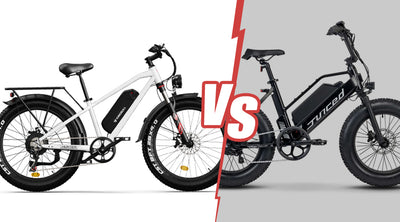
The Ultimate Off-Road Adventure: Juiced Bikes RipRace vs. Kingbull Hunter
When it comes to electric bikes designed for outdoor adventures, both the Juiced Bikes RipRace and the Kingbull Hunter offer impressive specs that can elevate your riding experience. But how do they stack up against each other? Let’s dive into a head-to-head comparison to see which bike reigns supreme.
Kingbull Hunter vs. Juiced RipRace: Specs Comparison
Feature
Kingbulll Hunter
Juiced RipRace
Frame
6061 Aluminum Alloy
Aluminum
Battery
720Wh
777Wh
Motor
750W/1300W Peak Motor
750W/1300W Peak Motor
Wheel
26" x 4.0" CST All-terrain Tires
20"x4" All-Terrain
Shift Lever
Shimano 7-speed
Single Speed
Brakes
Mechanical
Mechanical
Top Speed
28 MPH
28 MPH
Range
Up to 55 miles
Up to 55 miles
weight
59lbs
66lbs
Payload Capacity
400 lbs
275 lbs
warranty period
2 Years
1 Year
Price
$899
$1499
Range and Speed: A Thrilling Ride
Both the RipRace and Hunter boast an impressive range of 55 miles and a top speed of 28 MPH. This means whether you’re exploring rugged trails or cruising through the neighborhood, you can count on both bikes to deliver a thrilling ride. However, when you’re choosing an electric bike for long adventures, consider the weight. The Hunter comes in lighter at 59 pounds, making it easier to maneuver during those unexpected obstacles on the trail.
Power Meets Performance
Both bikes feature a robust 750W motor, ensuring plenty of power for steep climbs and challenging terrains. However, the Kingbull Hunter stands out with its Shimano 7-speed transmission, allowing riders to easily shift gears and adapt to various terrains. This versatility can be a game-changer when navigating rocky paths or steep hills.
Build and Comfort
The Juiced Bikes RipRace features 20" x 4" all-terrain tires, while the Kingbull Hunter is equipped with larger 26" x 4" tires. The larger tires on the Hunter offer better stability and traction, especially on uneven ground, providing a more comfortable ride. Additionally, the Hunter has a higher weight capacity of 400 lbs, making it an excellent choice for riders of all sizes.
Braking System: Safety First
Safety is paramount when riding off-road, and both bikes come with hydraulic disc brakes for superior stopping power. However, the added durability of the Kingbull Hunter, paired with its lighter weight, enhances overall handling and responsiveness, ensuring you can stop on a dime when needed.
Battery Life and Warranty
The RipRace is powered by a 52V, 15.6Ah battery, while the Hunter runs on a 48V, 15Ah battery. Despite the slight difference, both bikes are designed to last for long rides. Plus, the Hunter comes with a 2-year warranty, compared to the 1-year warranty for the RipRace, giving you added peace of mind for your investment.
Price Point: Value for Money
At $1,499, the Juiced Bikes RipRace is undoubtedly a solid option, but the Kingbull Hunter offers incredible value at $899. With its superior weight capacity, versatile gearing system, and extended warranty, the Hunter not only saves you money upfront but also provides the features you need for an exceptional riding experience.
Conclusion: Choose Your Adventure
Both the Juiced Bikes RipRace and the Kingbull Hunter are built for adventure, but if you're looking for a bike that combines lightweight design, versatility, and exceptional value, the Hunter is the standout choice. It’s not just about getting from point A to point B; it’s about enjoying the journey along the way. Whether you're conquering rugged trails or cruising through the park, the Kingbull Hunter is ready to take you there—efficiently and stylishly.
So, which bike will you choose for your next outdoor adventure? Whichever you pick, the thrill of the ride awaits!
Read more

Purchase GuideTips & Cycling Knowledge
Discover the Future of Off-Road Riding: The Magic of the Four-Bar Suspension System
When it comes to adventure and freedom on two wheels, off-road electric bikes have taken the spotlight. Whether you're navigating through rugged trails or conquering steep hills, comfort and stability are key to a thrilling ride. Today, we’re shining a light on the unsung hero of your riding experience—the four-bar suspension system.
What is a Four-Bar Suspension System?
Imagine tearing through bumpy terrain, with the four-bar suspension working like a trusty sidekick, perfectly smoothing out every jolt. This advanced suspension design features four flexible links that distribute impact forces effectively, allowing you to glide over rough patches as if you were cruising on smooth pavement.
The Secret to a Comfortable Ride
Riding is no longer a battle against bumps. The four-bar system optimizes tire contact with the ground, significantly reducing vibrations. As you race through mountain trails or explore sandy paths, you'll hardly notice the small bumps and dips. It’s all about “easy riding, pure enjoyment”!
Unmatched Control and Handling
But the four-bar suspension isn’t just about comfort; it’s also about enhancing your control. When you hit those sharp turns, the improved tire grip gives you the confidence to tackle any challenge. Whether you're speeding down steep slopes or maneuvering through muddy paths, you’ll feel a sense of stability and precision, like having an extra pair of hands guiding you through every twist and turn.
Advantages Over Traditional Systems
Compared to traditional fork and rear shock designs, the four-bar suspension truly shines. Its complex structure may seem daunting, but it translates into superior suspension performance. Riders can easily adjust the shock travel for different terrains, providing a customized riding experience. Looking to maximize your fun on the trails? The four-bar system is your ticket to adventure.
Real Riders, Real Experiences
Our customers who ride bikes equipped with the four-bar suspension system have shared that their experiences have transformed dramatically. From reaching challenging mountain tops to cruising along picturesque forest trails, this system empowers them to explore freely without worrying about the rough terrain.
Conclusion
The four-bar suspension system is a revolutionary feature in off-road electric bikes. It not only enhances your comfort and stability but also brings an unmatched joy to your rides. So, on your next adventure, choose an electric bike with a four-bar suspension and turn every ride into an unforgettable journey.
Are you ready to embrace a new riding experience? Let’s hit the trails together and uncover the beauty of exploration!
Read more

Tips & Cycling Knowledge
How to Remove the Speed Limit on an Electric Bike
1. 🚨 Safety and Regulations: Why Every E-Bike Needs a Speed Limiter
To understand how to remove the speed limit on an electric bike, you must first acknowledge its fundamental purpose. The speed limiter is mandatory, ensuring rider safety and adherence to traffic laws globally.
Riding Safety Assurance: High speeds drastically increase the probability of accidents. The limiter keeps the Ebike’s top speed within safe limits, ensuring adequate reaction and braking distance.
Legal Compliance (US E-bike Law): In the United States, maximum speeds (typically not exceeding 28 MPH) are legally mandated. The limiter ensures your E-bike complies, preventing legal issues when riding on public roads.
Extended Component Life: By limiting motor power, the speed limiter protects the battery, motor, and controller from excessive strain, effectively extending the lifespan and reliability of your Kingbull E-Bike.
2. Seeking Extreme Speed? Understanding the Full Risks of Ebike Speed Limit Removal
We acknowledge that some riders look for higher speeds for commuting efficiency or thrill. However, pursuing an Ebike speed unlock carries severe consequences that must be understood.
Risk Factor
Consequence and Warning
Severe Safety Hazard
Braking Failure: Your E-bike's components are not rated for high speeds. Emergency braking distance will multiply, significantly increasing the risk of a serious accident.
Legal & Liability Issues
Legal Exposure: Riding a modified, over-speed E-bike on public roads can be deemed operating an unregistered motorized vehicle, leading to heavy fines and potential legal liability.
Immediate Warranty Voidance
Warranty Policy: Kingbull’s warranty explicitly states that any illegal modification, including electric bike speed limiter removal, will immediately void your vehicle’s warranty.
Component Damage
Reduced Lifespan: Removing the power limit forces the motor, controller, and battery to operate under constant high stress, which will drastically reduce the lifespan of all key components, risking motor burnout.
If you still need to consider adjusting the speed limit, we strongly recommend consulting the original seller or official customer service first to ensure you understand any official, reversible options for your specific model.
3. 🚫 Official Stance: How to Safely Handle E-Bike Speed Adjustment
Due to the extreme legal and safety risks, we focus on providing safe, compliant, and authorized solutions for your performance needs.
How to Inquire About Electric Bike Speed Adjustment
If you have performance requirements and wish to explore the possibility of an Ebike speed unlock, please follow these steps:
Contact Official Technical Support: Ask our specialists whether your specific model (e.g., Kingbull Electric Bike) has any official, reversible settings or controls for speed adjustment.
Inquire About Certified Upgrades: For permanent performance optimization, ask about official, certified speed upgrade controllers or tuning accessories designed to work safely with your specific motor system. This is far safer than attempting generic online hacks.
❗ Key Advice: Brands like Kingbull do not recommend users perform unauthorized Ebike speed limiter removal. Always seek advice and solutions through official channels to protect your safety and your investment.
4. 📈 Legal and Scientific Ways to Increase E-Bike Speed
Before resorting to "speed hacks," you can legally and safely optimize your Kingbull E-Bike's speed and efficiency through these proven methods:
Maintain Peak Battery Charge: Higher battery voltage ensures the motor receives optimal power output, maximizing your Ebike's top speed.
Optimize Riding Posture: Adopt a lower, more aerodynamic stance to minimize wind resistance, which is the biggest factor affecting speed. This is the cheapest and most effective way to gain speed.
Upgrade to Low-Rolling Resistance Tires: Switching to smoother, high-quality urban tires reduces friction with the road surface, naturally improving efficiency and speed.
Controller Upgrade (Official Certified): If your E-bike is heavily restricted, you may opt to purchase an officially compatible high-performance controller, primarily for use in private settings.
Conclusion
Successfully navigating the question of how to remove the speed limit on an electric bike means acknowledging the trade-off. While the thrill of faster speeds exists, the price includes severe safety risks, legal penalties, and the loss of your vehicle's lifespan.
Kingbull E-Bikes offer a maximum speed that balances performance with safety and legal compliance. Always consider the potential risks before any modification, and choose officially certified, safe solutions for your performance needs.
Read more
Ebike ComparisonPurchase Guide
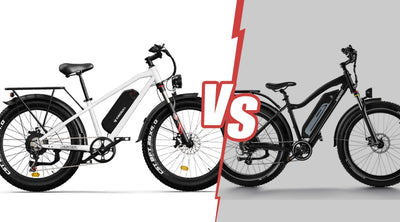
Kingbull Hunter vs. Himiway D3 (Cruiser): Which E-Bike Offers the Best Bang for Your Buck?
Electric bikes are taking the world by storm, offering a thrilling, eco-friendly way to hit the road and explore new terrain. With so many models to choose from, it can feel like a race to find the perfect balance of power, performance, and price. Today, we’re pitting two top contenders against each other: the Kingbull Hunter and the Himiway D3 (Cruiser). Let’s dive in and see which one comes out on top for the ultimate e-bike experience!
Kingbull Discover vs. Himiway D3: Side-by-Side Specs
Feature
Kingbulll Hunter
Himiway D3
Frame
6061 Aluminum Alloy
6061 Aluminum
Battery
720Wh
720Wh Samsung/LG Battery
Motor
750W/1300W Peak Motor
750W/1200W Peak Motor
Wheel
26" x 4.0" CST All-terrain Tires
26" x 4.0" Kenda Fat Tire
Fork
100mm travel
95mm travel
Brakes
Mechanical
Mechanical
Top Speed
28 MPH
20 MPH
Range
Up to 55 miles
Up to 50 miles
weight
59lbs
72lbs
Payload Capacity
400 lbs
350lbs
Price
$899
$1299
Motor Power & Speed
Kingbull Hunter: Equipped with a 750W brushless geared motor, capable of delivering a peak output of 1300W. This makes it a powerful choice for riders who want versatility in their ride, whether cruising city streets or tackling rugged terrain. With a top speed of 28 MPH, the Hunter is designed for those who crave a faster, more dynamic ride.
Himiway D3 (Cruiser): Also features a 750W brushless geared motor with a peak output of 1200W. While the motor offers solid performance, the Cruiser maxes out at a speed of 20 MPH, which is slightly slower compared to the Hunter.
Verdict: In terms of motor power and speed, the Kingbull Hunter takes the lead, offering a more powerful motor and a higher top speed, perfect for riders who want that extra punch during their rides.
Battery Life & Range
Kingbull Hunter: Comes with a 48V 15Ah removable lithium-ion battery that offers a range of up to 55 miles on a single charge. This range gives you the freedom to explore further without worrying about frequent recharges. Plus, the removable battery makes charging more convenient.
Himiway D3 (Cruiser): Powered by a 720Wh Samsung/LG battery, the Cruiser delivers a range of up to 50 miles. While this is impressive, the Kingbull Hunter edges it out with a slightly longer range.
Verdict: If you’re planning longer trips, the Kingbull Hunter has the advantage with its extended range and easily removable battery for added convenience.
Comfort & Suspension
Kingbull Hunter: Built for both comfort and performance, the Hunter features a 100mm travel coil suspension fork, which does a great job of absorbing bumps and rough terrain. Whether you’re off-roading or just navigating potholes, you’ll appreciate the smoother ride.
Himiway D3 (Cruiser): The D3 also offers decent suspension with a 95mm travel front fork, but it falls just short of what the Hunter provides in terms of shock absorption.
Verdict: Both bikes offer solid suspension systems, but the Kingbull Hunter provides a little extra cushion for those rougher rides, making it a more comfortable option for off-road enthusiasts.
Weight & Payload
Kingbull Hunter: Weighs in at 59 lbs, making it relatively lightweight for its class. It has an impressive payload capacity of 400 lbs, which is ideal for carrying cargo or accommodating larger riders. It’s also designed to suit riders between 5'5" and 6'6", making it a versatile option for a wide range of people.
Himiway D3 (Cruiser): Heavier at 72 lbs, with a payload capacity of 350 lbs. While still a solid option for most riders, the extra weight could make it a bit more challenging to maneuver, especially for lighter riders or those who need to carry it.
Verdict: The Kingbull Hunter wins here with its lighter weight and higher payload capacity, offering better versatility for both riders and cargo.
Price & Value
Kingbull Hunter: Priced at $999, the Hunter delivers impressive performance and features at an affordable price point. Given its motor power, range, and comfort features, it offers incredible value for the money.
Himiway D3 (Cruiser): With a price tag of $1299, the Cruiser is more expensive while offering similar or slightly less performance compared to the Hunter. The higher price may not justify the extra weight and lower speed, especially for budget-conscious buyers.
Verdict: If you’re looking for a high-performance e-bike that doesn’t break the bank, the Kingbull Hunter is hard to beat in terms of value for money.
Final Thoughts
When it comes to choosing between the Kingbull Hunter and the Himiway D3 (Cruiser), the decision largely comes down to what you value most in an electric bike. While both bikes offer solid performance, the Kingbull Hunter stands out with its more powerful motor, longer range, lighter weight, and unbeatable price. For just $999, you’re getting a bike that’s not only fast and reliable but also versatile enough for everything from daily commuting to weekend adventures.
In comparison, the Himiway D3 (Cruiser) is a bit more expensive, heavier, and doesn’t quite match the speed or range of the Hunter. If you’re on a budget and looking for maximum performance, the Kingbull Hunter is the smarter choice, delivering excellent bang for your buck.
PS:Unlock an extra $50 off the Kingbull Hunter with code KHRIDE at checkout. Don’t miss out—ride with power and save big!
Read more


